How to Import from China Without Traveling: A Full Remote Sourcing Guide
Learn how to import from China without traveling. Discover how to find suppliers, verify products, pay safely, inspect goods, and ship to Nigeria.
GROWING BUSINESSGETTING STARTED
Ugbe Zurishaddai
5/4/20267 min read
You don't need a plane ticket to China to build a profitable import business. Thousands of Nigerian entrepreneurs source from Chinese suppliers every month, entirely from their phones and laptops.
This guide covers the full process, start to finish: how to find suppliers, verify them, pay safely, manage quality, and ship your goods to Nigeria, all without ever setting foot in China.
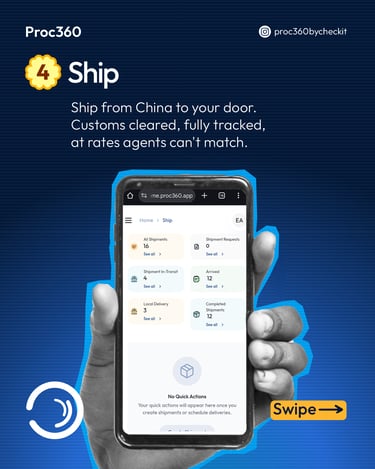
Step 5: Inspect Your Goods Before They Ship
You cannot physically be in China, but your eyes can still be there.
Pre-shipment inspection (PSI) is a service where a third-party inspector visits the factory, checks your order against your specifications, and sends you a detailed photo and video report before the goods are loaded onto a ship or plane.
Companies like SGS, Bureau Veritas, and QIMA offer this service for a few hundred dollars.
It’s even cheaper with SME focused platforms like Proc360. Plus, inspection fees are a small price compared to the cost of receiving a bad shipment and having no recourse after the fact.
What an inspection covers:
Product quantity and labeling
Quality against your sample
Packaging integrity
Correct product specifications
Step 6: Choose Your Shipping Method
Once your goods pass inspection, it's time to ship.
Air Freight
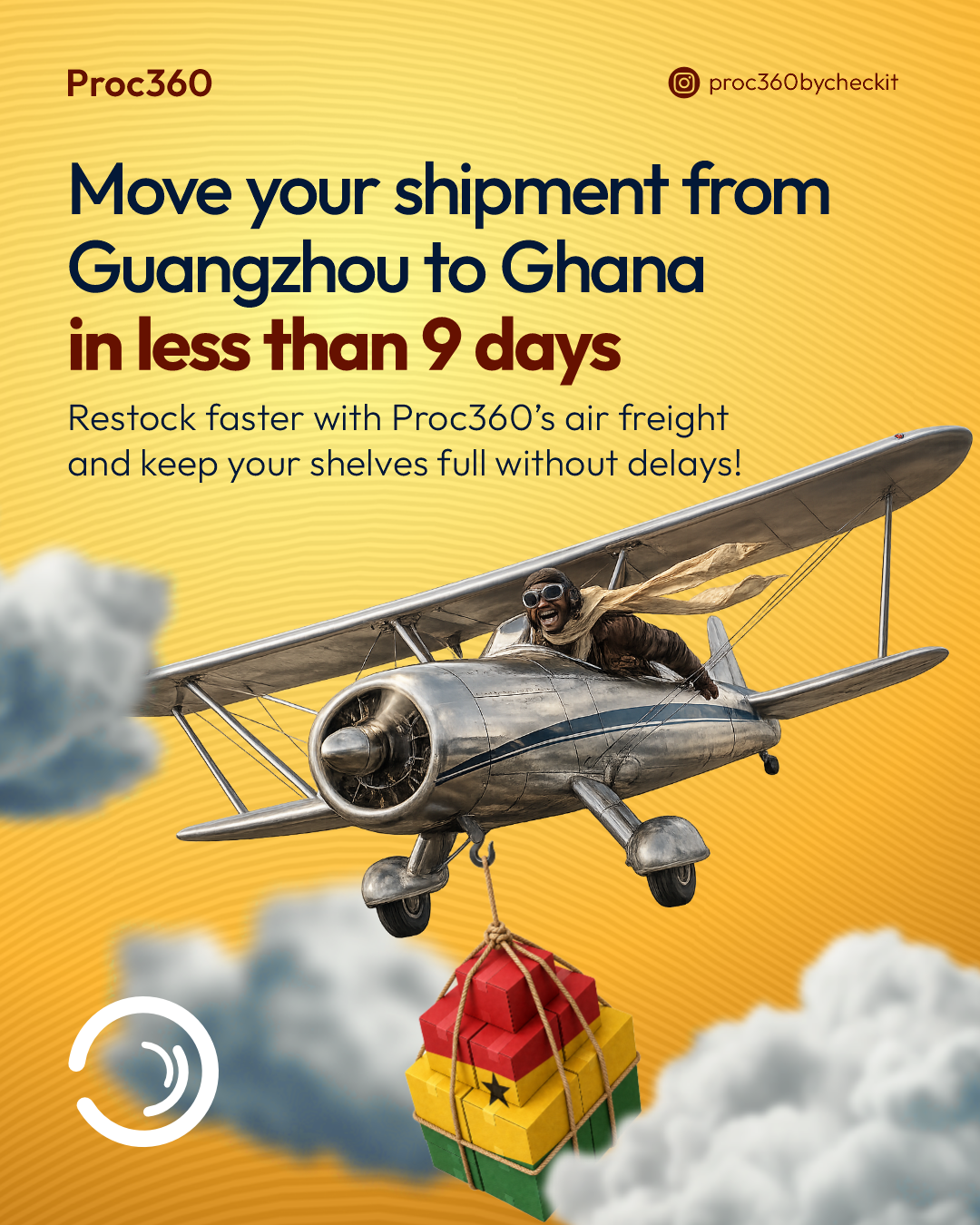
Transit time: 5–10 days to Nigeria
Cost: Roughly $5–$12 per kilogram
Best for: Small, high-value goods (phones, electronics, fashion samples)
Sea Freight (LCL — Less than Container Load)
Transit time: 30–45 days
Cost: $100–$200 per cubic metre
Best for: Medium-sized orders that don't fill a full container
Sea Freight (FCL — Full Container Load)
Transit time: 30–45 days
Cost: $2,500–$5,500 for a 40-foot container
Best for: Large, established orders where you fill the container
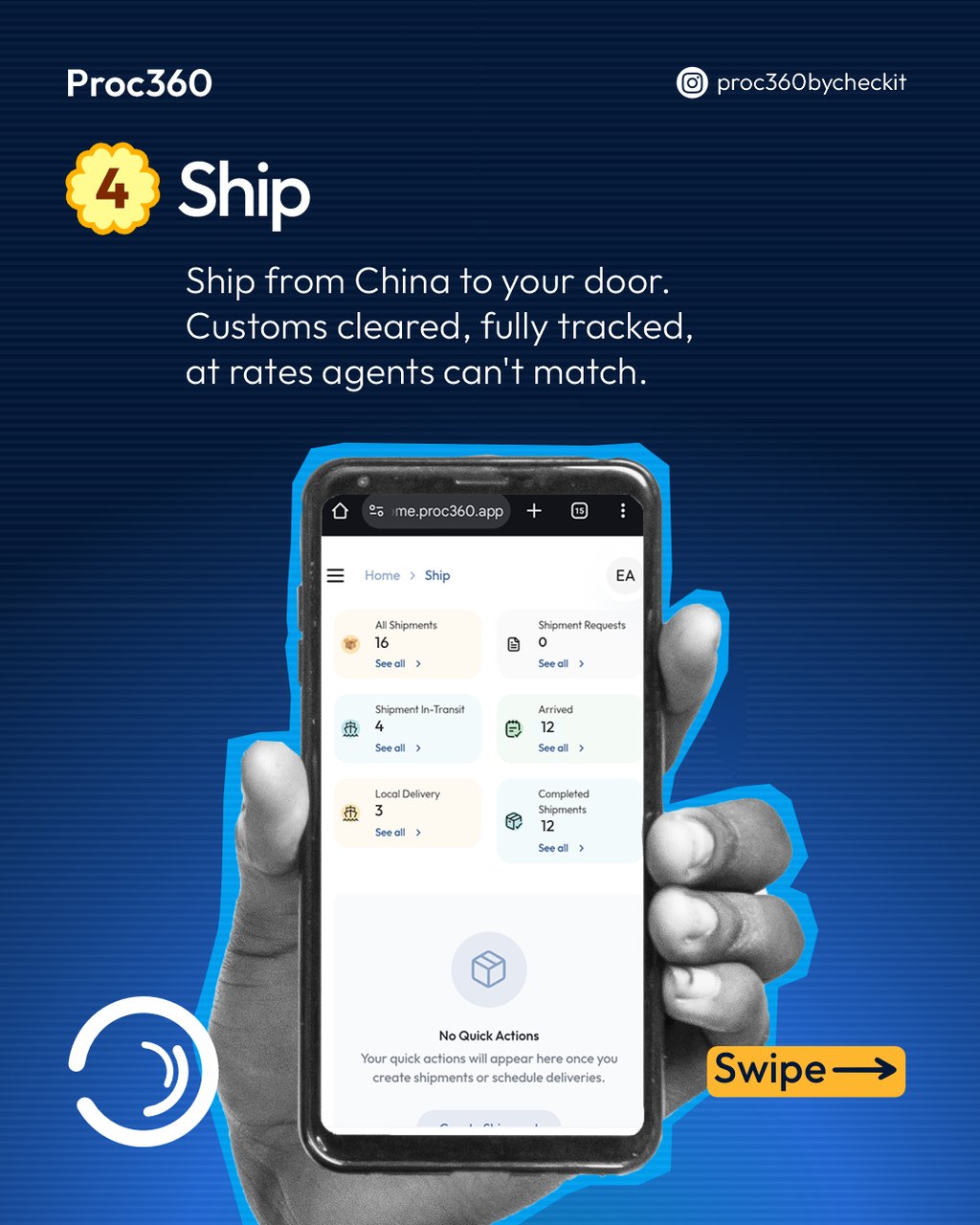
Consolidated Shipping: Many sourcing agents (including Proc360) offer consolidation — combining your goods with other importers' shipments into one container, so you only pay for the space your goods actually occupy. This significantly reduces costs for medium-sized orders.
For most first-time importers buying from multiple suppliers, consolidated sea freight offers the best balance of cost and reliability.
Step 7: Clear Customs in Nigeria
Your goods will arrive at Apapa or Tin Can port in Lagos (or NAHCO if air freight). Here's what happens:
Your freight forwarder or clearing agent handles the paperwork: your Form M (filed before shipment), PAAR (Pre-Arrival Assessment Report), Bill of Lading or Airway Bill, commercial invoice, packing list, and SONCAP certificate (mandatory for most Chinese goods).
Import duty in Nigeria ranges from 5% to 35% of the CIF value (cost of goods + insurance + freight). VAT at 7.5% applies on top. Your clearing agent will calculate this and advise what to pay.
New to Form M? Read our complete guide: [What is Form M? A Simple Guide for First-Time Nigerian Importers]
The Biggest Mistakes Remote Importers Make
Skipping the sample: "The photos looked good" is not enough. Always test a real unit before bulk ordering.
Paying 100% upfront: Even for established suppliers, split payments protect you. No legitimate factory will reject a 30/70 payment structure.
Communicating outside the platform: Suppliers who push to move to WhatsApp or email immediately are removing you from Alibaba's dispute protection. Keep all early negotiations on-platform.
Ignoring SONCAP: Most goods shipped from China to Nigeria require a SONCAP Product Certificate. Arriving at the port without it means your goods are held until you sort it out — at significant cost and delay.
Choosing the cheapest supplier: In China sourcing, price is usually a direct signal of quality. If one supplier is dramatically cheaper than five others for the same item, something is wrong. It might be lower-grade materials, recycled components, or an outright scam.
Step 2: Find Suppliers On The Right Platforms
Once you know what you want, here's where to find suppliers remotely:
Alibaba (alibaba.com: The most popular platform for international buyers. Suppliers here are accustomed to dealing with overseas customers, list prices in USD, and many offer Trade Assurance (Alibaba's built-in buyer protection that refunds you if goods don't arrive or don't match the description).
Best for: First-time importers, moderate order sizes, English-speaking communication.
1688.com: This is where Chinese businesses buy from each other. Prices are significantly lower than Alibaba, and they can be sometimes 30–50% cheaper for the same product.
However, the site is entirely in Chinese, suppliers rarely speak English, and payment requires a Chinese bank account or WeChat Pay.
Best for: Experienced importers working with a sourcing agent who can navigate it for you.
Made-in-China & Global Sources Good alternatives for finding manufacturers of electronics and industrial goods, with a focus on verified factories.
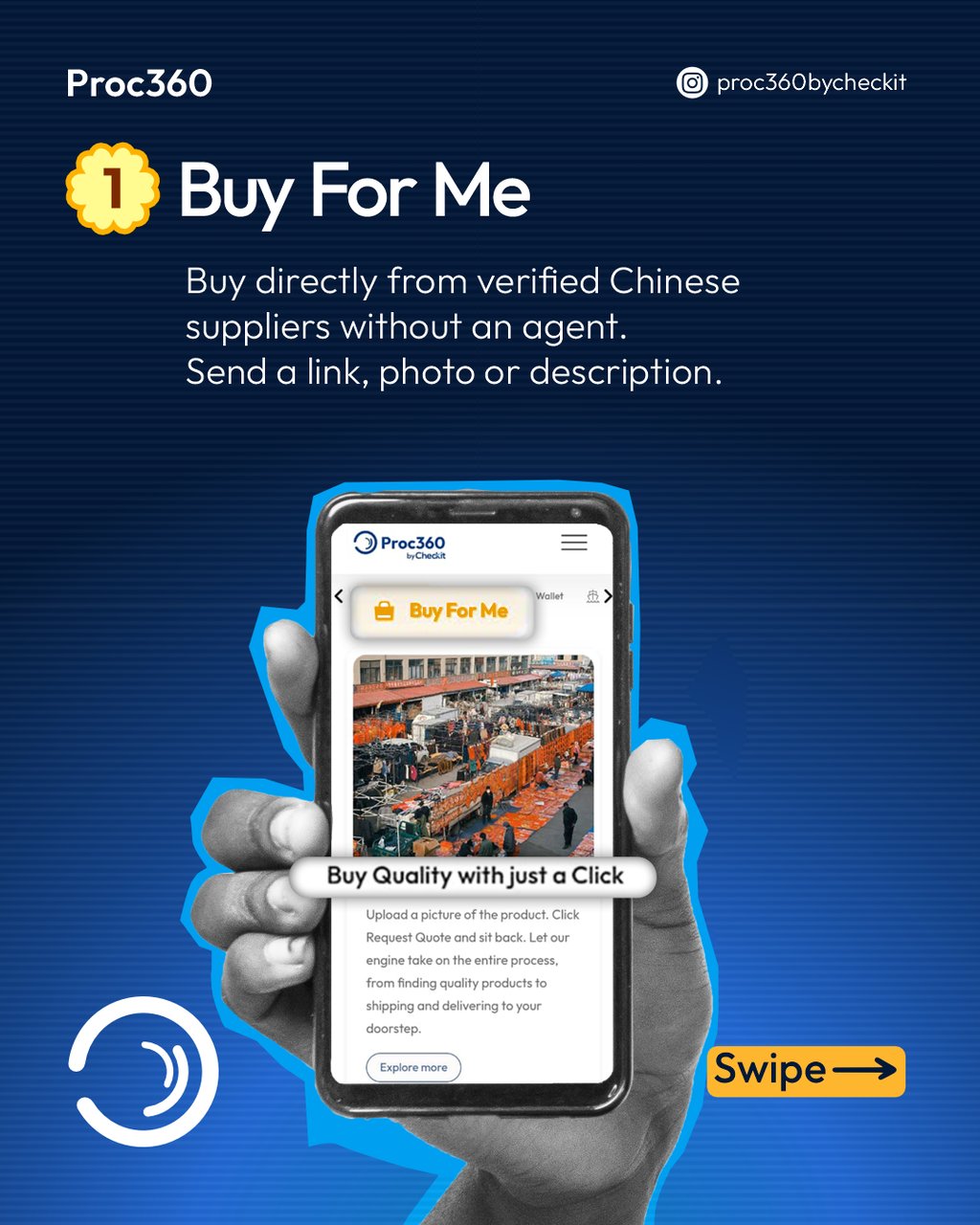
Pro tip: For the easiest sourcing methods, get pictures, links or descriptions of the goods you want to buy. Then upload them into Proc360’s Buy for me. This special feature finds the goods you want and sends you quotes from verifies suppliers for easy sourcing.
Step 3: Verify Suppliers Before Sending a Single Naira
This is where most scams happen. A supplier may look legitimate online because they have professional photos, good reviews, and fast response time. But then you go forward and then they either disappear after payment or ship something completely different.
How to verify remotely:
Check their Alibaba profile thoroughly: Look for: years in business (3+ years preferred), verified supplier badge, Trade Assurance coverage, transaction history, and response rate. A supplier with 90%+ response rate and hundreds of verified orders is far more trustworthy than a new listing.
Request their business license: Legitimate Chinese manufacturers are registered businesses. Ask for a copy of their business license (营业执照) and cross-check the company name with what appears on your proforma invoice.
Do a video call factory tour: Ask them to walk you through the production floor on a live video call. A real manufacturer will have machinery running, workers present, and finished goods visible. Stalling, refusing, or sending pre-recorded footage is a red flag.
Order a sample first — always: Before any bulk order, pay for one or a few units shipped directly to you. Evaluate quality in person. This is non-negotiable. The cost of a sample is far less than the cost of a container of defective goods.
Red flags to walk away from:
Prices 40%+ below every other supplier for the same product
No Trade Assurance available
Asks for 100% payment upfront via Western Union or crypto
Refuses to provide a business license
Pushes you to move communication off Alibaba
Proc360 also offers inspection services, so you can ensure the completeness and quality of your goods before they even leave China.
Step 4: Pay Safely Without Leaving Nigeria
Payment is one of the biggest pain points for Nigerian importers, and one of the biggest scam windows.
Safe payment options:
Alibaba Trade Assurance: The safest option for Alibaba orders. Your payment is held in escrow and only released to the supplier after you confirm receipt of goods that match the description. If something goes wrong, Alibaba mediates.
T/T (Bank Transfer): Use with Caution Most Chinese suppliers prefer Telegraphic Transfer (T/T). For established relationships, this is fine. For new suppliers, never pay 100% upfront. The standard split is 30% deposit before production, 70% balance after you receive and approve pre-shipment photos or inspection report.
Letter of Credit (L/C): Used for large orders, typically above $20,000. Your Nigerian bank guarantees payment to the supplier's bank once shipping documents are verified. More complex but highly secure.
For Nigerian or Ghanian buyers specifically: Most Chinese suppliers quote in USD/RMB. You'll need to convert Naira to USD or RMB.
With options like Alipay and bank transfer, Africans tend to be at a disadvantage because of restrictions, blocking or withholding of funds by this platform.
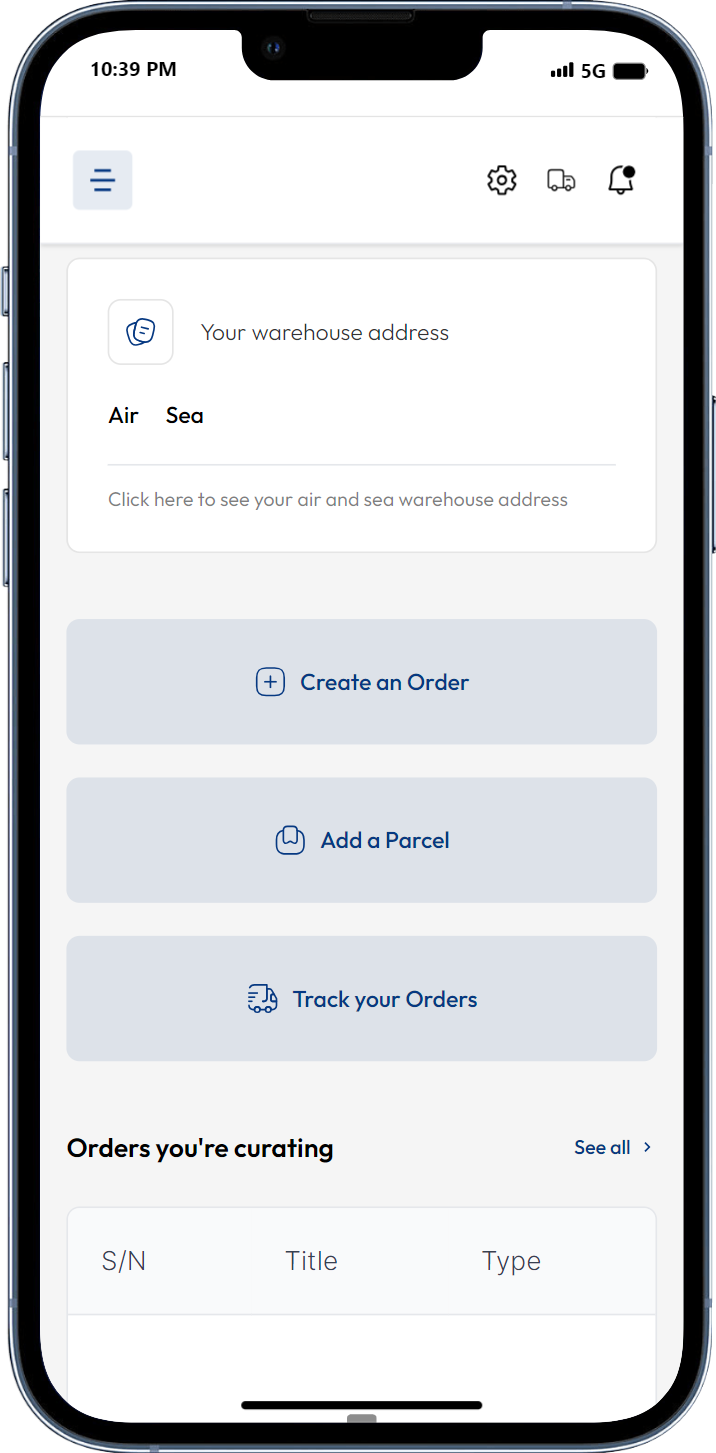
The best way to avoid these restrictions and keep your money safe is by using Proc360 wallet. It auto converts Naira, Cedis or Dollars to RMB, keeping your money accessible, safe and protected from Forex fluctuations.
Note: Never use Western Union, MoneyGram, or cryptocurrency for a first order with a new supplier. These payment methods offer no buyer protection and are virtually impossible to reverse.
How Proc360 Makes This Whole Process Simpler
Remote sourcing works, but it has risks. For business owners who want to focus on selling rather than managing logistics, Proc360 gives you all the control with none of the risks or stress
Try it out now at proc360.app
Why You Don't Need to Travel
The idea that you must visit China to source goods is outdated. The platforms, tools, and services available today make it possible to:
Browse millions of products from verified manufacturers
Request samples shipped directly to you in Nigeria
Video-call factories for a virtual walkthrough
Pay securely with buyer protection
Have a local agent inspect goods before they ship
In fact, most experienced Nigerian importers never travel to China. They build strong, long-term supplier relationships entirely online.
Step 1: Find the Right Products First
Before you look for a supplier, settle on a product. Many first-time importers do this backwards: they find a supplier, then try to figure out what to sell.
Good products for remote importing share these traits:
Consistent demand in the Nigerian market (not trend-dependent)
Lightweight or compact (lower shipping cost per unit)
Not heavily regulated (avoids NAFDAC, SON complications early on)
High enough margin to absorb shipping, duties, and agent fees
Where to spot trending products:
Browse Jiji.ng and Jumia's bestseller lists
Check what's selling in Alaba, Computer Village, or Balogun
Look at what's moving on 1688 (China's wholesale market)
Use Google Trends to validate local demand.