Why Shipping Costs Are Rising in 2026 — And How Nigerian Importers Can Avoid Overpaying
Discover why shipping costs are rising in 2026, the hidden charges affecting Nigerian importers, and practical ways to reduce freight expenses and protect your margins.
GROWING BUSINESSGETTING STARTED
Jacob Ehigie
5/8/20269 min read


If your shipping bills look different in 2026 compared to what you were used to budgeting, you’re not imagining it — and you’re not alone. Shipping costs from China to Nigeria have been pushed higher by a combination of geopolitical disruptions, carrier surcharges, Naira volatility, and global trade pressures that are reshaping freight rates on the routes that matter most to Nigerian importers.
The important thing to understand is that not all shipping costs are rising equally. Some routes and shipment types are significantly more affected than others. The importers managing their costs well in 2026 aren’t just hoping for rates to drop — they understand what’s driving the increases, which ones are temporary, and which require a permanent adjustment to their import strategy.
This guide breaks down the real factors behind rising shipping costs in 2026, the hidden charges most importers don’t anticipate, what it means for your actual landed cost, and the practical steps to protect your margins and avoid overpaying.
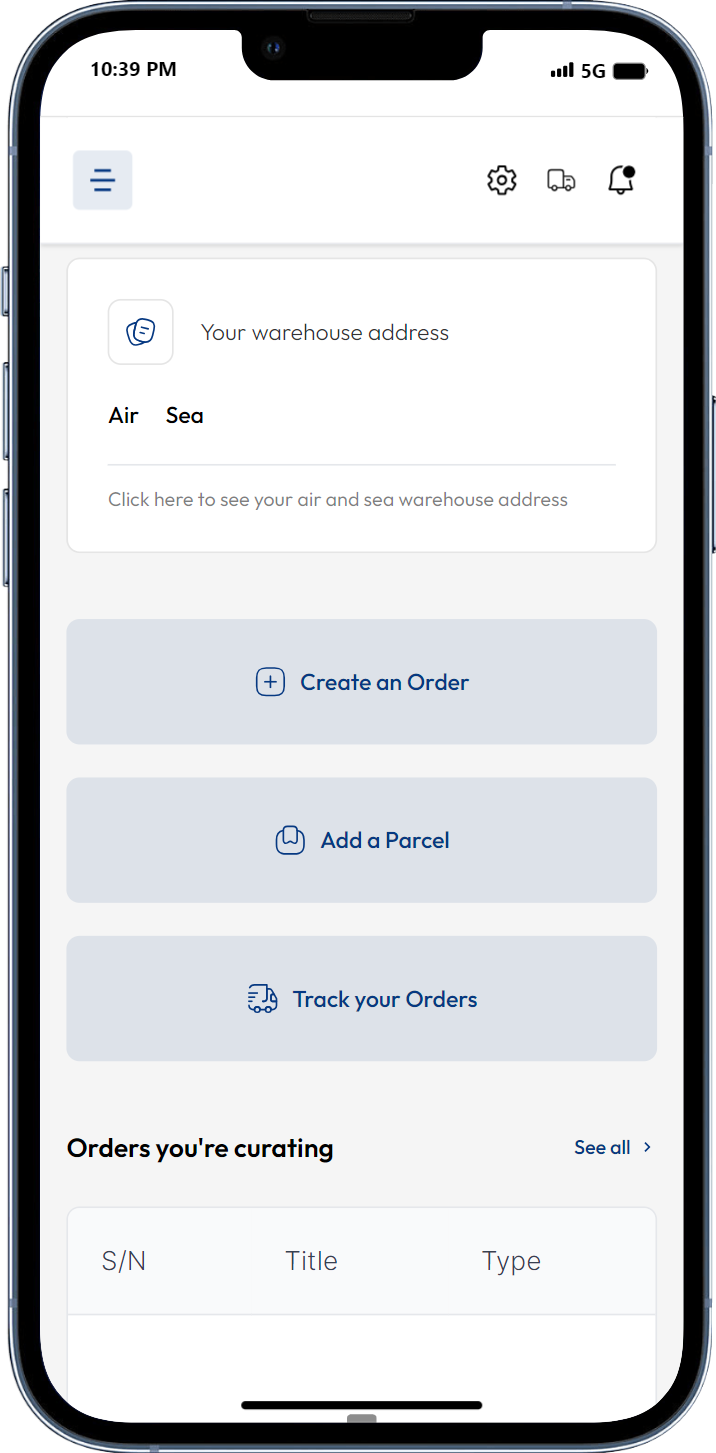
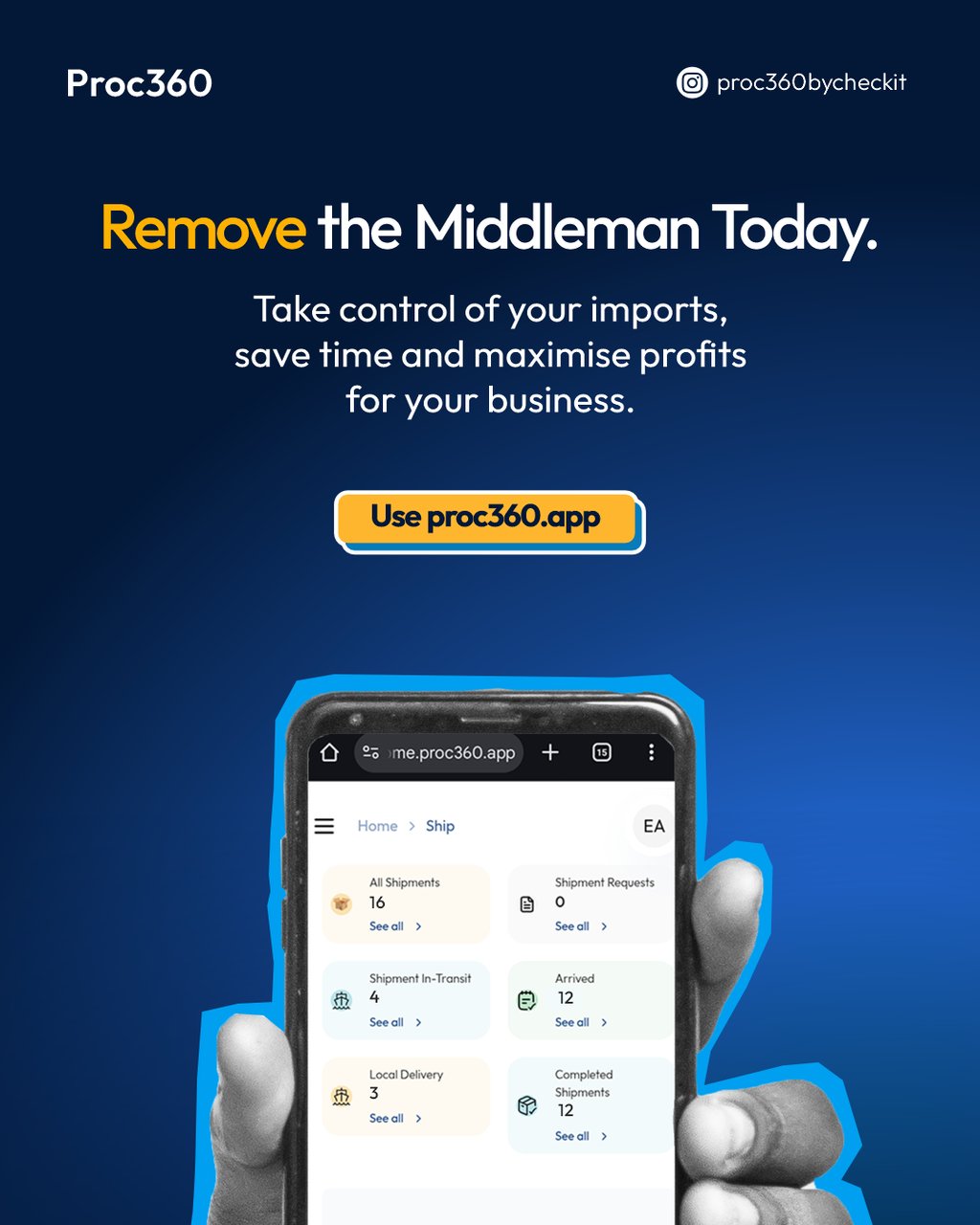
Import from China with fixed, transparent shipping rates and no surprise surcharges. Sign up on Proc360 for free →


Are Shipping Prices Actually Going Up in 2026? The Honest Answer
Are shipping prices going up in 2026? What is the freight situation right now?
The freight situation in 2026 is more nuanced than a simple yes or no. Global ocean freight rates fell from the extreme highs of 2024 — when Red Sea disruptions pushed container prices to multi-year peaks — and have partially stabilised. But “stabilised” doesn’t mean cheap, and it certainly doesn’t mean predictable.
For Nigerian importers, the picture is harder. The Strait of Hormuz closure since February 2026, ongoing Red Sea rerouting, Naira volatility, and Nigeria-specific carrier surcharges all stack on top of each other — creating a landed cost environment that feels significantly more expensive than two or three years ago, even when base freight rates are nominally lower. So: are shipping prices going up? On the China-to-Nigeria route in 2026, the effective answer is yes — even if the global headline numbers tell a more mixed story.
5 Real Factors Driving Shipping Cost Increases for Nigerian Importers
Why has the cost of shipping gone up? Why are shipping rates rising in 2026?
1. The Hormuz Strait Closure
The most significant single event driving shipping costs upward in 2026 is the effective closure of the Strait of Hormuz following the military conflict that began in February 2026. The strait carries approximately 20% of the world’s daily oil supply. Its closure has pushed Brent crude past $100 per barrel, directly inflating bunker fuel costs — which typically account for 20–30% of a vessel’s total voyage cost.
Carriers responded with emergency surcharges stacked on top of base freight rates: Hapag-Lloyd added $1,500 per TEU in war risk premiums; CMA CGM is charging $2,000–$4,000 per container; Maersk added $1,800–$3,800 per container. These aren’t base rate changes — they’re layered additions that appeared with little warning and remain in effect.
2. Red Sea Rerouting
The Red Sea disruption that began in late 2023 has not resolved. Most major carriers are still routing vessels around the Cape of Good Hope instead of through the Suez Canal, adding 10–14 days per voyage and increasing fuel costs per shipment. For the China-to-Nigeria route, this has added a structural baseline to transit times and costs that wasn’t present before 2024. What was a 30–35 day sea freight timeline is now reliably 35–45 days.
3. Nigeria-Specific Carrier Surcharges
In March 2026, CMA CGM introduced a Peak Season Surcharge of $575 per TEU specifically on shipments arriving in Nigeria, citing strong demand on Asia-West Africa routes. This is separate from global Hormuz surcharges and applies directly to the China-to-Lagos corridor — a signal that Nigeria’s position as one of Africa’s largest import markets makes it a target for market-specific pricing adjustments that importers in other countries don’t always face.
4. US-China Tariffs Tightening Global Capacity
The escalating US-China trade tariffs in 2025–2026 have a knock-on effect on global shipping. As US importers rush to frontload inventory ahead of tariff deadlines, demand for container space on Asia-to-US routes spikes, tightening global container availability and pushing rates up across all routes — including China-to-Nigeria. Air freight has been particularly affected as US buyers switching to air cargo tighten global capacity and raise prices to all destinations, including Lagos.
5. Naira Volatility and the FX Gap
All international freight is priced in US dollars. When the Naira weakens, the Naira cost of shipping rises even when the dollar-denominated rate stays the same. The Naira lost significant value through 2023–2024 and remains at levels that make every dollar of freight cost substantially more expensive in Naira terms than three years ago. This is the structural reason shipping to Nigeria feels so expensive right now, even when global freight rates have moderated.
⚠️ Always request a full breakdown of all surcharges before confirming a booking. Ask specifically about: fuel surcharges (BAF), war risk premiums, peak season surcharges (PSS), and port congestion fees. The base freight rate is rarely what you actually pay.
7 Ways Nigerian Importers Can Avoid Overpaying for Shipping in 2026
How can I reduce my shipping costs from China to Nigeria in 2026?
1. Consolidate orders before shipping
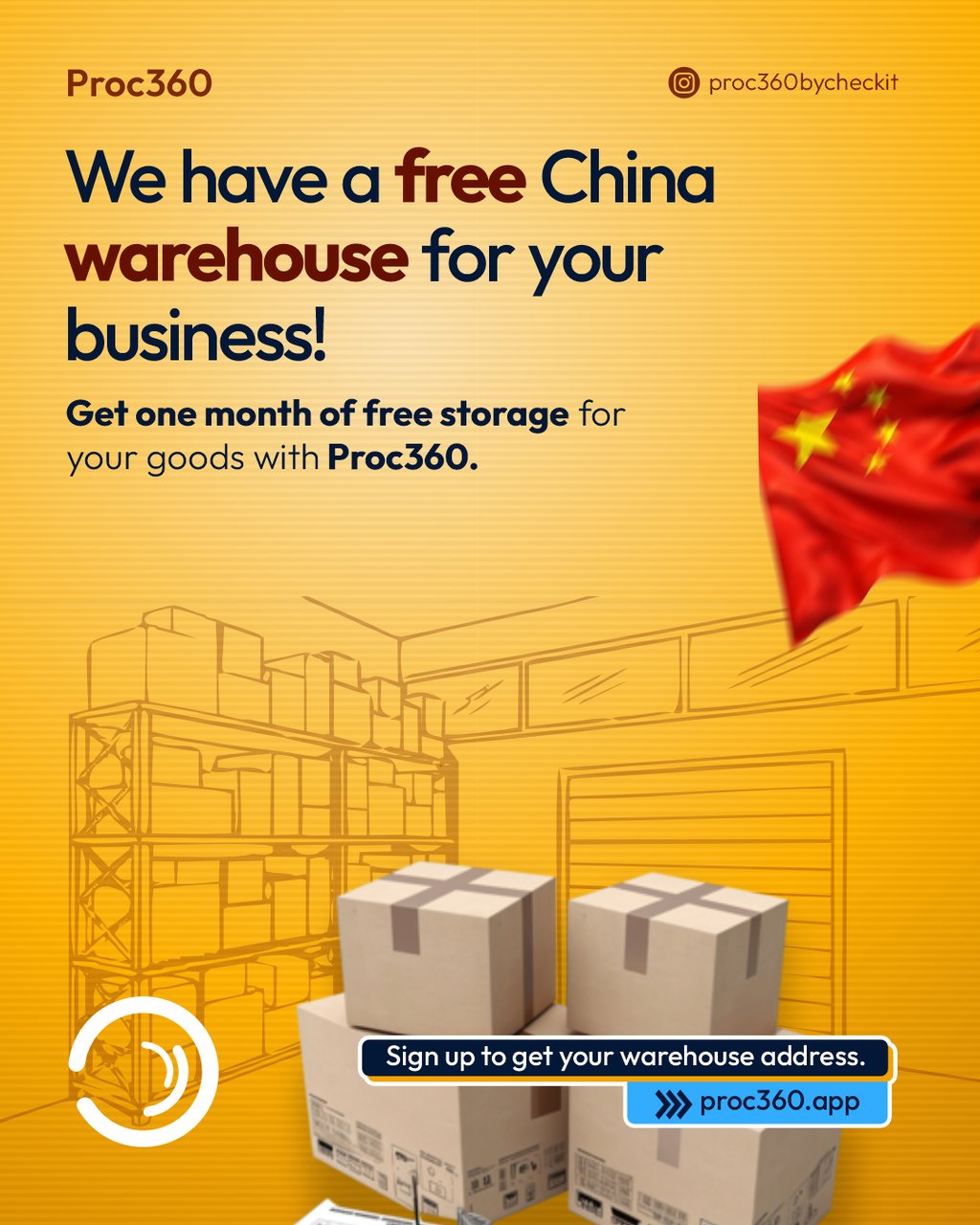
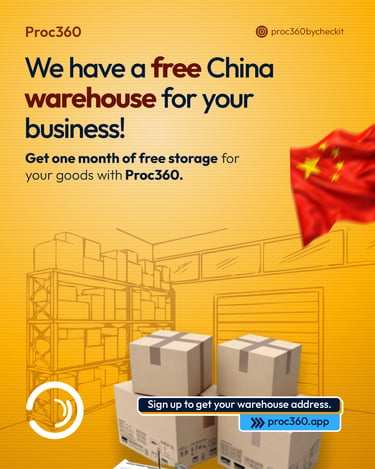
Instead of shipping each supplier’s order separately, consolidate multiple purchases into one shipment from a Chinese warehouse before requesting freight. This reduces the number of individual LCL shipments you’re paying handling fees on and improves your per-unit cost. On Proc360, your personal warehouse in China stores goods from multiple suppliers free for 30 days, with consolidation at no extra charge.
2. Time your shipments away from peak periods
Shipping in March–June can mean rates 30–50% lower than in Q4 for the same route and cargo. Avoid the pre-Chinese New Year window (January–February) and Q4 (October–December) where possible, and structure your inventory replenishment around shipping windows, not just sales cycles.
3. Always get a full landed cost breakdown
When comparing shipping options, request a complete breakdown: base freight + BAF + PSS + war risk + port handling + customs clearance + inland delivery. A low headline rate with multiple surcharges can easily exceed a higher all-in rate. Platforms with inclusive, transparent pricing give you far more accurate visibility for budgeting.
4. Prepare all documents before your vessel arrives
The fastest way to incur demurrage is incomplete or incorrect documentation when your goods arrive at Apapa or Tin Can Island. Ensure your commercial invoice, packing list, bill of lading, and required certificates are fully prepared and verified before the vessel departs China — not after it arrives in Lagos.
5. Reduce your volumetric weight through packaging
For air freight, packaging is a direct lever on your bill. Asking your supplier to reduce carton dimensions and compress soft goods can reduce your chargeable weight by 20–40%, cutting your air freight bill proportionally. For sea freight, tighter packaging reduces your total CBM and LCL rate.
6. Lock in rates when the market is favourable
Freight rates are volatile. When you find a rate that works for your margins, book and confirm it. During the stable March–June window, lock in bookings as early as possible. Waiting an extra week during an upswing can mean meaningfully higher costs on the same shipment.
7. Use the Naira wallet to hedge against FX movement
Converting Naira to RMB before the Naira weakens locks in today’s exchange rate and protects your purchasing power. On Proc360, your wallet holds funds in RMB at the current rate, so a Naira devaluation between now and your order date doesn’t change what you pay your supplier.
What Is the Shipping Cost Outlook for the Rest of 2026?
What is the outlook for the shipping industry in 2026? Will shipping costs keep rising?
Two forces are pulling in opposite directions for the rest of 2026. On the downward side, global fleet capacity has grown as carriers take delivery of new vessels ordered during the COVID boom years, creating downward pressure on base ocean freight rates. On the upward side, the Hormuz closure, Red Sea rerouting, Q4 peak season demand, and Nigeria-specific surcharges are expected to keep the effective cost of shipping to Lagos elevated through the end of the year.
For Nigerian importers: don’t plan your budget around rates returning to 2022 or 2023 levels. Build your landed cost models around current market rates with a 15–20% buffer for surcharge variability, and use off-peak shipping windows to lock in the most stable rates available. The importers managing margins best are those who treat shipping cost as an active business strategy — not a passive line item reviewed after the invoice arrives.
Import with no surprise surcharges. Proc360 gives you fixed rates, free consolidation, and included customs clearance. Create your free account →
The Hidden Shipping Costs Most Nigerian Importers Don’t Budget For
What are the hidden shipping costs when importing from China to Nigeria?
Beyond freight and surcharges, there is a second layer of costs that consistently catches Nigerian importers off guard at the port. Understanding these is essential for calculating your true landed cost.
Bunker Adjustment Factor (BAF)
The Bunker Adjustment Factor is a fuel surcharge carriers apply on top of the base ocean freight rate. BAF is recalculated regularly — sometimes monthly — which means your freight bill can differ from one shipment to the next even when the base rate hasn’t changed. In the current Hormuz-disrupted market, BAF rates are elevated and volatile. Always confirm the current BAF before booking.
Port Congestion Surcharges at Apapa and Tin Can Island
When congestion builds at Lagos’s ports — which happens regularly — carriers impose Port Congestion Surcharges (PCS) on arriving shipments. These are not always disclosed upfront and can appear on your final invoice after goods have already shipped. They can also change week to week based on port conditions.
Demurrage Charges
Demurrage is a daily fee charged when your container remains at the port beyond the carrier’s free days — typically 3–7 days after arrival. Rates start around $75 per day and can escalate to $300 or more. A 10-day delay on a 40ft container can cost over $1,000 in entirely avoidable fees. The most common causes in Nigeria are documentation errors, incorrect HS codes, and congestion-driven clearance delays. Having complete, accurate documents before your vessel arrives is the single most effective way to avoid this cost.
Local Handling and Inland Delivery
Port handling fees, terminal gate charges, and trucking from Apapa or Tin Can Island to your warehouse can add 10–15% to your total landed cost on top of CIF value, duties, and VAT. These costs are frequently omitted from freight quotes. Budget for them as a fixed component of every sea freight shipment.
What You Actually Pay: How to Calculate Your Landed Cost as a Nigerian Importer
How do I calculate my landed cost when importing from China to Nigeria?
Landed cost is the total amount you spend getting goods from your supplier in China to your door in Nigeria — the only number that tells you whether a shipment is actually profitable. Here is the full formula:
Landed Cost = Product Cost + Freight + Surcharges + Insurance + Customs Duty + VAT + Port Handling + Inland Delivery
Each component for a typical China-to-Nigeria sea freight shipment:
Product cost: the price paid to your supplier, including any packaging
Ocean freight: your base LCL or FCL rate (e.g., $390/CBM on Proc360 for LCL to Nigeria)
Surcharges: BAF + PSS + war risk premium + Nigeria-specific surcharges. Budget an additional 15–25% on top of the base freight rate in the current market
Cargo insurance: typically 0.3–0.5% of declared cargo value — strongly recommended
Import duty: 0–35% depending on HS code, assessed on CIF value
VAT and levies: 7.5% VAT on CIF plus duty, plus ETLS (0.5% of FOB), FCS (4% of FOB), and a 7% surcharge on the import duty
Port handling and inland delivery: budget 10–15% of CIF value
The key takeaway: your total landed cost can be 50–80% higher than the freight quote alone. Never price goods for resale based on the freight rate. Always calculate the full landed cost first.
Proc360’s sea freight rate of $390/CBM includes customs clearance — removing one of the most unpredictable cost variables. See full pricing on Proc360 →
Final Thoughts
Shipping costs in 2026 are higher and more complex than they were two or three years ago, with multiple structural causes that have no quick resolution. But higher market rates don’t automatically mean your shipping costs have to be higher. Consolidation, timing, document accuracy, packaging optimisation, and transparent all-in pricing are all tools within your control.
Understanding your full landed cost before committing to an order is no longer optional in this market — it is the difference between a profitable import and one that quietly erodes your margin by the time your goods reach Lagos.
Ready to import with shipping costs you can actually predict? Visit proc360.app to explore sea and air freight options, or sign up for free and start your first order today.