Nigeria’s April 2026 Import Prohibition List: 17 Product Categories You Can No Longer Bring In
Nigeria updated its import prohibition list on April 1, 2026, banning 17 product categories from non-ECOWAS countries. Here is the full list, what it means for importers, and how to stay compliant.
GROWING BUSINESSGETTING STARTED
Jacob Ehigie
6/2/202610 min read


Imagine placing an order from China for products you’ve been importing successfully for two years. The payment clears, your goods are packed and ready to ship, and then you find out at the port that your products are now on Nigeria’s banned import list. Your goods are seized. Your money is tied up. And nobody warned you the rules had changed.
This is exactly the situation many Nigerian importers have found themselves in since April 1, 2026, when the Federal Government released an updated import prohibition list as part of its 2026 Fiscal Policy Measures and Tariff Amendments. Signed off by Finance Minister Wale Edun and backed by presidential approval, the new list bans 17 categories of goods from all non-ECOWAS countries, which includes China, the primary sourcing market for most Nigerian importers.
If you source products from China and you have not checked this list yet, read every word of this post before you place your next order.


What Is the 2026 Import Prohibition List and Why Does It Matter?
Nigeria’s import prohibition list is not new. The government has maintained a list of restricted imports for decades, primarily to protect local industries and reduce dependency on foreign goods. What changed in April 2026 is the scope and the specific categories affected.
The updated list was issued through a circular from the Federal Ministry of Finance dated April 1, 2026, titled “Approval for the Implementation of the 2026 Fiscal Policy Measures and Tariff Amendments.” The circular confirmed that President Bola Tinubu approved the measures under the ECOWAS Common External Tariff (CET) framework. The list now covers 17 product categories and applies specifically to goods originating from non-ECOWAS member states.
This is critical for anyone importing from China, India, Turkey, the UAE, or any country outside West Africa. If your products fall under any of the 17 banned categories, they cannot legally enter Nigeria regardless of what you paid, how long they have been in transit, or what Form M documentation you hold.
The only exception covers importers who had already opened a Form M and entered into an irrevocable trade agreement before April 1, 2026. Those importers were granted a 90-day grace period to process and clear their goods under the old regime. That grace period has now expired.
The Full List: All 17 Banned Import Categories (Explained for Importers)
Here is every category on the revised prohibition list, with plain-English explanations of what each one covers and what it means practically for Nigerian importers sourcing from China.
1. Live or Dead Birds, Including Frozen Poultry
This covers imported chicken, turkey, duck, and other poultry in any form, fresh, frozen, or processed. This ban has been in place for years under previous prohibition lists and remains firmly in place under the 2026 update. It targets the protection of Nigeria’s domestic poultry industry.
Who this affects: Food importers, caterers sourcing bulk frozen poultry from outside ECOWAS, and any importer dealing in processed bird products.
2. Pork, Beef, and Other Meat Products
The ban covers pork, beef, carcasses, cuts, offal, tongues, livers, and shoulders of bovine animals imported from non-ECOWAS countries. This is another long-standing restriction designed to protect Nigerian livestock farmers and the domestic meat value chain.
Who this affects: Importers of processed or packaged meat products from China or other non-ECOWAS markets.
3. Bird Eggs (Excluding Breeding and Research Eggs)
Commercial bird eggs for consumption are banned from non-ECOWAS imports. The only exception is hatching eggs of grandparent stock imported specifically for breeding and research purposes, which require additional documentation and approvals.
Who this affects: Food importers sourcing eggs or egg-based products commercially from outside West Africa.
4. Refined Vegetable Oils
Refined vegetable oils from non-ECOWAS countries are banned. The exceptions are refined linseed oil, castor oil, olive oil, hydrogenated vegetable fats, and crude (unrefined) vegetable oil — meaning refined palm oil, refined soybean oil, refined sunflower oil, and similar products commonly imported from Asia are prohibited.
Who this affects: FMCG importers, food processors, and distributors who source bulk cooking oils from China or other Asian markets.
5. Cane or Beet Sugar in Retail Packs
Packaged retail sugar — cane or beet — containing added flavouring or colouring is banned from non-ECOWAS imports. This targets imported branded sugar products and flavoured sugar sachets commonly sourced from Asia for retail sale in Nigeria.
Who this affects: Importers of retail-packed sugar, flavoured sweeteners, and branded sugar products.


The Bigger Picture: Why Nigeria Is Tightening Import Controls in 2026
The 2026 import prohibition update is part of a broader trade protection strategy under the Tinubu administration. The government is using the ECOWAS Common External Tariff framework to shield domestic industries — from cement and steel to tomatoes and fertilisers — from cheaper imports that have historically undercut local producers.
Notably, the World Bank has pushed back on this approach in both its May 2025 and April 2026 Nigeria Development Update reports, recommending that Nigeria reduce import tariffs and lift import bans, particularly for food and key intermediate inputs, to ease supply constraints and moderate inflation. The government has so far maintained the restrictions as part of its local industry protection strategy.
What this means for importers is that the trend is toward tighter controls, not looser ones. Building an import business that can flex around these restrictions — by diversifying product categories, staying current on policy changes, and working with compliant platforms — is increasingly important.
How Proc360 Helps You Import the Right Products the Right Way
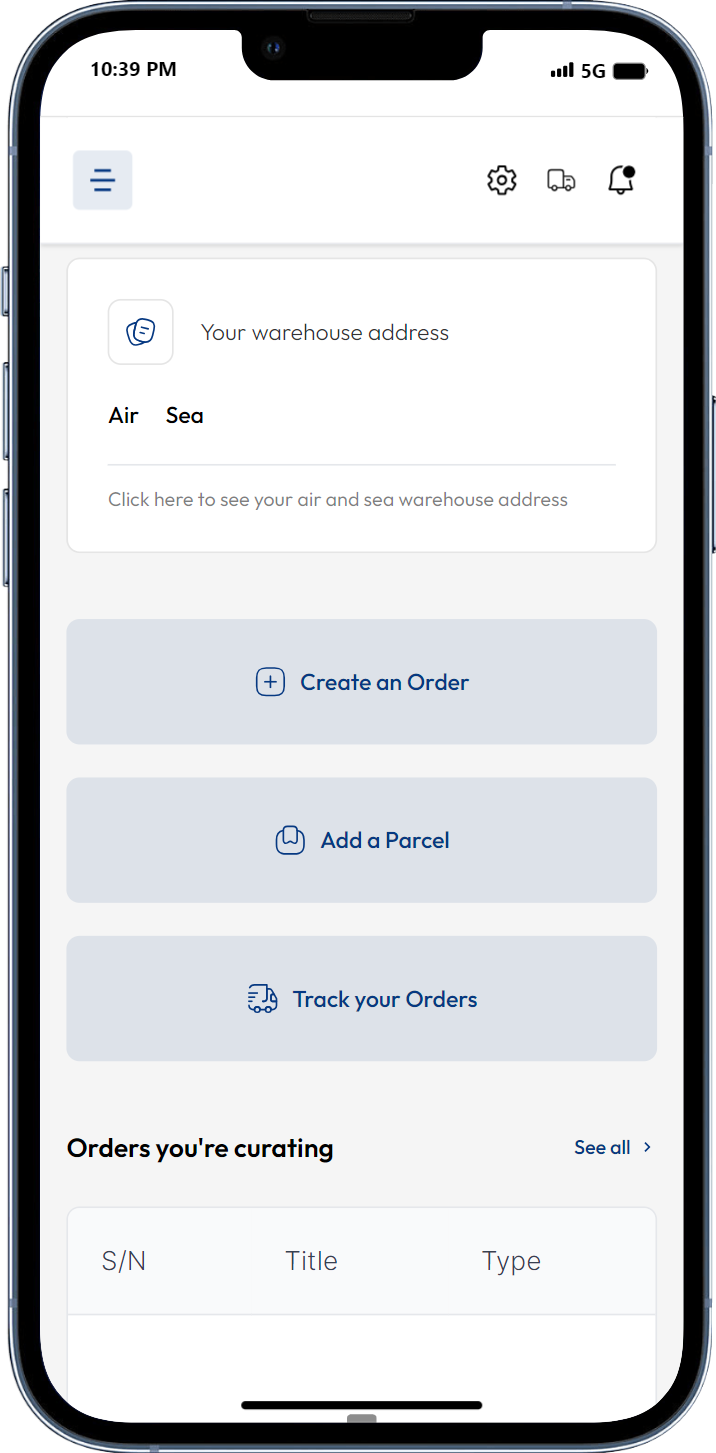
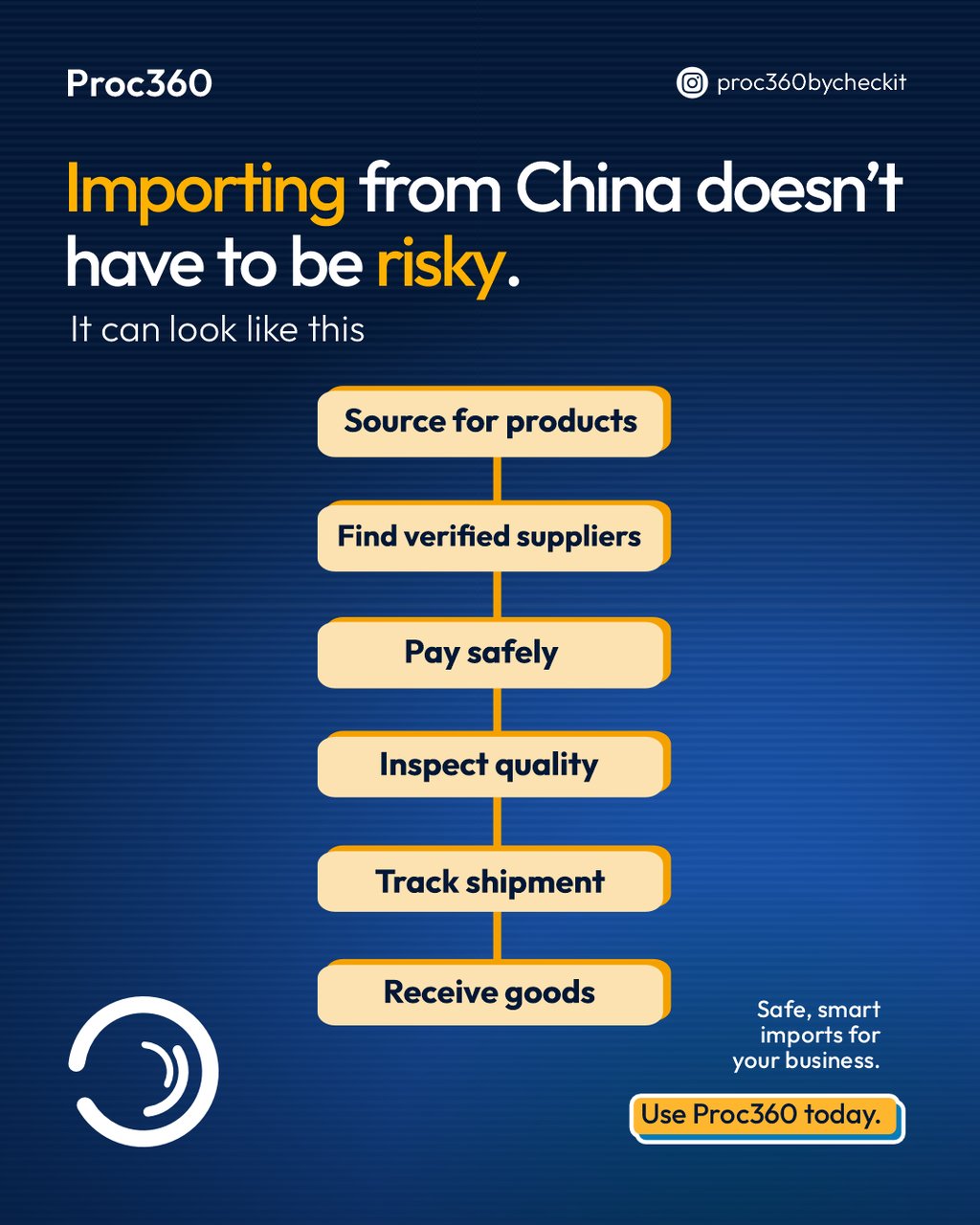
Navigating Nigeria’s import policy is complex enough without also worrying about supplier fraud, hidden shipping costs, and customs delays. Proc360 is built to simplify the entire process for Nigerian importers — and that includes keeping you clear of compliance traps like the April 2026 prohibition list.
When you source products through Proc360’s Buy For Me feature, you search on 1688 or Alibaba, select what you want to import, and the platform handles supplier communication, payment in RMB, and order coordination — all without you needing to manage a Chinese-language negotiation. This means you can quickly shift your sourcing focus to compliant product categories and restart your import cycle without the usual friction of finding new suppliers.
Your goods are received at your personal Proc360 warehouse in China, giving you 30 days of free storage and the flexibility to consolidate orders from multiple suppliers into a single shipment. This matters especially now, because pivoting your product mix may mean working with new suppliers across different categories — and consolidating those into one shipment keeps your freight costs under control during the transition.
You choose your shipping mode — air freight or sea freight — directly from your dashboard, with full cost visibility before you confirm anything. Customs clearance support is included, and real-time tracking keeps you updated from China to your door in Nigeria.
The import landscape has changed. But the opportunity to build a profitable, compliant importing business from China to Nigeria is very much still open. Proc360 gives you the tools to do it right.
Ready to import smarter and stay on the right side of Nigeria’s customs rules? Sign up with Proc360 today at proc360.app/sign-up and start sourcing products that clear without complications.
6. Cocoa Butter, Cocoa Powder, and Cocoa Preparations
Processed cocoa products — including cocoa butter, cocoa powder, cocoa cakes, and natural cocoa fat and oil — are banned from non-ECOWAS sources. Nigeria is one of the world’s largest cocoa producers, and this ban is aimed squarely at protecting the domestic cocoa processing industry from cheaper imports.
Who this affects: Confectionery importers, food manufacturers, and cosmetics producers who use cocoa-based inputs sourced from outside West Africa.
7. Tomatoes (Fresh, Pieces, Paste, and Concentrates)
Imported tomatoes in any form — whole, cut, as paste, or as concentrates — are banned from non-ECOWAS countries. This directly targets the Chinese tomato paste imports that have historically undercut Nigerian tomato farmers and local paste manufacturers. The ban is one of the most commercially significant changes in the 2026 list for FMCG importers.
Who this affects: Any importer currently sourcing tomato paste, purée, or concentrate from China — a very common product in Nigerian import trade. This is a major category to check immediately.
8. Waters, Soft Drinks, and Non-Alcoholic Beverages with Added Sugar or Sweeteners
This category covers mineral water, aerated water, and other non-alcoholic beverages containing added sugar, sweetening matter, or flavouring from non-ECOWAS countries. Imported soft drinks, flavoured waters, and sweetened beverages sourced from outside West Africa fall under this ban.
Who this affects: Beverage importers, supermarket distributors, and FMCG traders dealing in imported drinks from China or Asia.
9. Bagged Cement
Bagged cement from non-ECOWAS countries is now prohibited. This is a new and significant addition to the 2026 list. Nigeria has invested heavily in domestic cement production, and this ban is designed to protect producers like Dangote Cement, BUA, and Lafarge from cheaper Asian imports undercutting the local market.
Who this affects: Construction materials importers and traders who have been sourcing bagged cement from China or other non-African markets.
10. Medicaments (Medicines) Across Multiple Classifications
A wide range of pharmaceutical products — covering multiple HS code headings — are banned from non-ECOWAS imports. This targets unregistered or grey-market medicines commonly imported from China and India. Any medicine requiring NAFDAC approval and not produced within ECOWAS must now be evaluated carefully for import eligibility.
Who this affects: Pharmaceutical importers, patent medicine dealers, and healthcare product distributors sourcing from outside West Africa. Consult NAFDAC directly before importing any medicament under this new framework.
11. Waste Pharmaceuticals
Expired, recalled, or waste pharmaceutical products from non-ECOWAS countries are completely prohibited. This is primarily a public health and environmental protection measure, targeting the dumping of substandard or expired medicines into the Nigerian market.
Who this affects: Any importer in the pharmaceutical or healthcare supply chain handling end-of-life or recalled products from non-ECOWAS origins.
12. Mineral or Chemical Fertilisers (NPK and Related)
Mineral and chemical fertilisers containing nitrogen, phosphorus, and potassium — commonly known as NPK fertilisers — are banned from non-ECOWAS imports. This is a major policy shift for the agricultural input sector. Nigeria has been investing in domestic fertiliser blending capacity, and this ban directly supports those local producers against cheaper Chinese and Asian imports.
Who this affects: Agricultural input importers and agro-commodity traders who have relied on imported fertilisers from Asia to supply Nigerian farmers.
13. Soaps and Detergents
Soaps and detergents from non-ECOWAS countries are now banned. This is one of the categories most directly relevant to mini importers and small-scale traders. Imported sachet soaps, bar soaps, laundry detergents, dishwashing liquids, and cleaning products from China — a very common import category — are all covered by this ban.
Who this affects: This is one of the highest-impact categories for everyday Nigerian importers. If you have been sourcing soaps or detergents from China in any form — wholesale, branded, or unbranded — this ban applies directly to you.
14. Corrugated Paper, Paperboard, Cartons, Boxes, and Cases
Corrugated paper and paperboard products — including packaging cartons, boxes, and cases — from non-ECOWAS countries are prohibited. This affects importers in the packaging, retail, and e-commerce sectors who source branded or custom packaging materials from Chinese suppliers.
Who this affects: Small businesses and e-commerce operators who import custom packaging from China, as well as wholesalers dealing in bulk carton supplies.
15. Hollow Glass Bottles Exceeding 150 Millilitres
Glass bottles with a capacity above 150ml from non-ECOWAS countries are banned. This covers the large-format glass bottles commonly used for beverages, sauces, condiments, cosmetics, and pharmaceutical packaging. Smaller glass bottles under 150ml are not explicitly covered by this restriction.
Who this affects: Beverage producers, food manufacturers, and cosmetics businesses that import glass packaging from China for local bottling and distribution.
16. Flat-Rolled Iron or Non-Alloy Steel Products
Flat-rolled iron and non-alloy steel products from non-ECOWAS countries are prohibited. This is a significant industrial policy measure targeting the steel sector. Chinese flat-rolled steel has historically been one of the most competitively priced imports in Nigeria, used in construction, manufacturing, and fabrication. This ban signals a direct push to develop domestic steel rolling capacity.
Who this affects: Steel traders, construction material importers, and manufacturing sector buyers sourcing rolled steel products from China or other Asian markets.
17. Ballpoint Pens and Their Parts, Including Refills
Ballpoint pens, pen parts, and pen refills from non-ECOWAS countries are banned. This may seem like a minor category, but it has significant implications for stationery importers and back-to-school product traders. China is the world’s largest producer of low-cost ballpoint pens, and this has been an extremely popular import product for Nigerian traders supplying schools, offices, and retail markets.
Who this affects: Stationery importers, school supply traders, and office supply distributors. If ballpoint pens have been part of your import mix from China, you need to stop immediately or risk seizure at the port.
What This Means Practically: 4 Things Every Importer Must Do Right Now
1. Audit Your Current Import Portfolio Immediately
Go through every product you currently source from China or other non-ECOWAS countries and check it against this list. Do not assume a product is safe because you have imported it before without problems. The rules changed on April 1, 2026, and Customs is enforcing the new list now that the 90-day grace period has elapsed.
2. Do Not Place Orders for Banned Categories From China
If any of your current or planned orders from China fall under the 17 categories above, do not place them. The grace period has expired. Any new import transaction entered after April 1, 2026 is subject to the new prohibition regime. Goods that arrive at Lagos ports in these categories from non-ECOWAS origins will not be released regardless of what you paid or what documentation you hold.
3. Explore Alternative Products in the Same Niche
Many of the banned categories have adjacent products that are not on the list and remain fully importable. For example, ballpoint pens are banned but gel pens, fountain pens, markers, highlighters, and other writing instruments are not explicitly covered. Soaps and detergents are banned but cosmetics, skincare products, and personal care items that do not fall under the soap classification remain importable. Review your product mix and pivot where possible.
4. Stay Updated as the Policy Evolves
The 2026 Fiscal Policy Measures also introduced an Import Adjustment Tax on 192 tariff lines, with excise duties including a green tax surcharge taking effect from July 1, 2026. The policy landscape is actively shifting. The measures are set to be published in the Official Federal Government Gazette, and further amendments are possible. Check back regularly and follow official NCS and Federal Ministry of Finance communications.
Conclusion: Know the List Before You Place the Order
Nigeria’s April 2026 import prohibition list is not a rumour or a proposal. It is active policy, signed and in force since April 1, 2026, with the 90-day grace period now expired. The 17 categories cover a wide range of products that Nigerian importers have commonly sourced from China, including soaps, tomato paste, ballpoint pens, bagged cement, fertilisers, and flat-rolled steel.
If any of these categories form part of your current import business, the time to act is now. Audit your product mix, stop new orders in banned categories, and redirect your sourcing into compliant products that can clear Nigerian Customs without risk.
The importers who move fast on this information will protect their capital and keep their supply chains moving. The ones who ignore it will find out the hard way at Apapa.