Nigeria Just Approved 50 New Products for SONCAP — Does Yours Need Certification Now?
Avoid losing money at the port. Check if your imports fall under Nigeria’s updated SONCAP list and learn how to secure certification before shipping from China.
GROWING BUSINESSGETTING STARTED
Jacob Ehigie
3/10/20266 min read
If you import goods from China into Nigeria, there is one rule that can make or break your entire shipment at the port: no SONCAP certificate, no entry.
The Standards Organisation of Nigeria keeps expanding its list of regulated products, and importers who don't check where their goods fall before shipping are the ones paying demurrage fees, watching their goods get seized, or scrambling to re-export at their own cost.
This blog breaks down exactly what SONCAP is, which product categories are regulated, how to check if your product needs certification, and how to request the right certificates from your Chinese supplier — before anything leaves China. If you source through Proc360, you can request quality checks and confirm compliance documentation while your goods are still in the warehouse, before a single shipment is booked.
What Is SONCAP and Why Does It Exist?
SONCAP stands for the Standards Organisation of Nigeria Conformity Assessment Programme. It was introduced in 2005 by the Federal Government of Nigeria to address the concern of unsafe and substandard products entering the country. In plain terms, it is Nigeria's pre-shipment filter — a mandatory check that happens in the exporting country, not at the Nigerian port, to confirm your goods meet Nigerian industrial and safety standards before they ship.
SONCAP provides pre-shipment verification of conformity to standards required by Nigerian customs officials, and verifies that products being imported conform with applicable Nigerian Industrial Standards or approved equivalents before shipment. All exports to Nigeria must comply. No SONCAP certificate, no entry.
The programme is enforced by the Standards Organisation of Nigeria (SON) and operated through a network of internationally accredited agencies. What many Nigerian importers miss is that this is not the Chinese supplier's problem to solve alone — as the importer, the compliance responsibility starts with you.
Which Products Require SONCAP Certification?
The fastest way to understand SONCAP's scope is to start from what is exempt. Products exempt from SONCAP regulation include food products, drugs, medical products other than equipment and machines, chemicals used as raw materials, military goods, contraband goods, and used products other than automobiles. Everything else — the broad majority of consumer and commercial goods imported from China — falls under regulation.
Regulated products include toys, chemical products, electrical products, furniture, and mechanical devices. The categories most relevant to Nigerian importers sourcing from China include:
Electrical and electronic products — household appliances, phones, laptops, lighting products, audio-visual equipment, chargers, power banks, and communication devices. This covers any electrical or electronic product that could be used by members of the public, whether in homes, offices, retail, or leisure environments.
Chemical products — motor oils, paints, bitumen, school chalk, kitchenware, tableware, dinnerware, tobacco and tobacco products.
Construction materials — building materials, plumbing fittings, and safety equipment used in residential and commercial construction.
Mechanical devices and machinery — power tools, generators, pumps, and industrial equipment intended for commercial use.
Toys and children's products — all toys regardless of material, including those with electronic components or battery-powered mechanisms.
If your product falls into any of these categories and you are not already checking its certification status before shipping, you are taking a real risk every time a consignment leaves China.
The Cost of Getting It Wrong
Goods arriving in Nigeria without a valid SONCAP Certificate will be detained by customs, delaying clearance. The importer may face demurrage costs of approximately $200 per day, in addition to testing fees, amendment fees, and potential destruction of goods if found non-compliant.
Beyond the direct costs, there is the opportunity cost — a shipment sitting at the port is inventory you cannot sell, cash you cannot recover, and customers you cannot fulfil. For most small and medium Nigerian importers, one bad shipment at the wrong time can set a business back by months.
SONCAP compliance is not optional, and it is not complicated once you build it into your sourcing process. Check your product category, confirm with your supplier, request the certificate before shipping, and verify the goods match what was certified. That four-step habit is the difference between a smooth delivery and a very expensive lesson at Apapa.
Sourcing from China and want to get compliance sorted before your goods ship? Create your free Proc360 account and use the Store feature to inspect and verify your goods in China — before they leave the warehouse.
Alibaba vs 1688 — Price, MOQ, Language, and Payment Side by Side
Here is a direct comparison of both platforms across the factors that matter most for importers in Nigeria and Ghana.
Language is the first big difference. Alibaba is available in English and over 18 languages, making it easy to navigate and communicate with suppliers. 1688 is entirely in Chinese — listings, supplier chat, and checkout are all in Mandarin, which is a real barrier for most African importers without translation tools.
On currency and payment, Alibaba accepts USD, EUR, and other international currencies, with support for cards, PayPal, and bank transfers. 1688 runs exclusively in RMB and payments go through Alipay or WeChat Pay — neither of which is easily accessible to buyers in Nigeria or Ghana without a local workaround like Proc360's RMB Wallet.
Pricing is where 1688 pulls ahead significantly. Because it is a domestic Chinese marketplace, suppliers are not pricing in export overhead. The same product can cost 15 to 40% less on 1688 than it does on Alibaba — and that gap gets very meaningful when you are placing bulk orders.
On buyer protection, Alibaba offers Trade Assurance — an escrow system that holds your payment until you confirm your goods are received correctly. 1688 has no equivalent system for international buyers, which means you are relying on the supplier's honesty and your ability to inspect goods before they ship.
Finally, shipping. Alibaba suppliers are set up for international delivery and will arrange freight directly. 1688 suppliers ship domestically within China only — meaning you need a freight forwarder or a platform like Proc360 to consolidate and ship your goods internationally.
One thing both platforms share: prices are often negotiable, especially when you are buying in volume. On Alibaba, you can negotiate MOQs down directly with suppliers. On 1688, the listed unit price is usually the factory floor price, but suppliers respond well to repeat buyers who pay promptly in RMB.
What Are the Real Risks of Buying from 1688?
The risks of buying from 1688 are real, but they are manageable — as long as you know what they are going into.
No international buyer protection: Unlike Alibaba's Trade Assurance, 1688 has no escrow or dispute resolution system built for overseas buyers. If a supplier sends the wrong goods, your main recourse is your relationship with that supplier.
Product authenticity grey areas: Because 1688 caters to the domestic Chinese market, you may encounter unlicensed replicas or grey-market goods — especially for branded electronics, fashion items, and accessories. Always request samples before committing to a large order.
Language and communication barrier: All listings, supplier chat, and negotiations happen in Chinese. Google Translate helps, but you are still operating in a system not designed for you.
Payment complexity: Without a Chinese bank account or a platform like Proc360's RMB Wallet, paying 1688 suppliers used to mean relying on agents or unofficial money transfers — both of which carry their own risks.
The good news: quality inspection solves most of the product risk. When you store goods at Proc360's China warehouse before shipping, you can request a quality check — verifying quantity, appearance, and condition before anything leaves China. That is your safety net on 1688.
Does 1688 Deliver to Nigeria — and How Do You Actually Pay?
This is the question most blogs dodge, so let us answer it directly: 1688 itself does not deliver internationally. It is a domestic Chinese platform. But that does not mean you cannot buy from 1688 and get goods delivered to Lagos or Accra — it just means you need the right setup.
Here is how it works in practice:
You find products on 1688 and share the links through Proc360's Buy For Me feature. The platform's team sources directly from those suppliers on your behalf, in Chinese, paying them via RMB.
Alternatively, if you want to pay suppliers directly, you fund your Proc360 RMB Wallet in Naira or Cedis. It converts instantly to RMB at live market rates — no black market, no middlemen, no frozen accounts. You then send payment directly to the supplier's Alipay or Chinese bank account with no transfer limits.
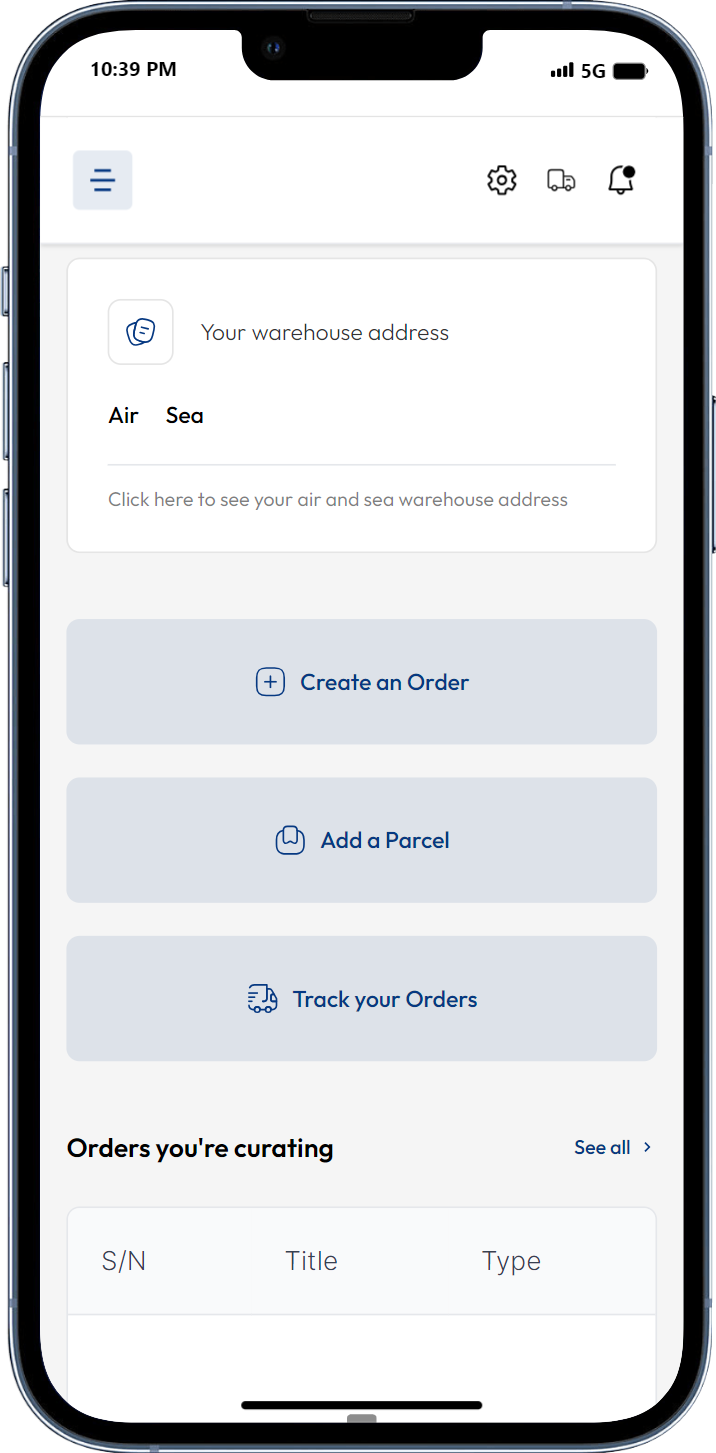
Your goods arrive at Proc360's China warehouse, where you can request a quality check before anything ships. Then you choose air or sea freight, and your order is delivered to your door in Nigeria or Ghana.
So do you need an agent to buy from 1688? Not anymore. With the right tools, you can source directly, pay in RMB, and ship to your door — all from your phone. That is exactly what Proc360 is built for.