How to Manage Supply Chain Effectively and Efficiently: 7 Proven Strategies for Procurement Success
Struggling with late shipments, rising costs, and customs delays? Learn how to manage the supply chain effectively and efficiently with proven strategies for smoother procurement.
GROWING BUSINESSGETTING STARTED
Jacob Ehigie
11/3/20256 min read


Yaw runs a growing electronics business in Accra. Every month, he orders from three different Chinese suppliers. But here's his problem: one shipment arrives early and sits in storage (costing money), another arrives late (causing stockouts), and the third gets stuck at customs because of missing documents.
His customers are frustrated. His costs are spiraling. And he's spending more time firefighting logistics problems than actually running his business.
How do you manage a supply chain? For many African importers, it feels like juggling ten balls at once while blindfolded. But effective supply chain management doesn't have to be complicated.
In this guide, we'll break down exactly how to manage the supply chain effectively and efficiently, giving you practical strategies that work whether you're importing GH₵5,000 or GH₵500,000 worth of goods annually.


7 Proven Strategies to Manage Supply Chain Effectively
1. Plan Ahead With Accurate Demand Forecasting
How does supply chain management help a company to improve efficiency and effectiveness? It starts with planning.
Don't order reactively. Use your sales history to forecast what you'll need 3-6 months ahead. This prevents overstocking (which ties up cash) and understocking (which causes lost sales).
Supply chain efficiency example: Instead of ordering ₦2 million worth of goods every month, analyze your sales patterns. If you sell more during December, order larger quantities in September-October so you're ready for the rush.
Pro Tip: Build buffer stock of 10-12 weeks for fast-moving items to cover unexpected delays like Chinese New Year shutdowns.
2. Choose Reliable Suppliers and Build Relationships
What can effective and efficient supply chain management do? It eliminates surprises.
Vet your suppliers before committing to large orders:
Check business licenses and certifications
Request product samples first
Start with small test orders
Communicate expectations clearly
Procurement strategies in supply chain management include: ✅ Diversifying suppliers (don't rely on just one) ✅ Negotiating payment terms that protect you (like escrow) ✅ Building long-term relationships for better pricing and priority service
How Proc360 helps: We verify suppliers before you pay, ensuring you only work with trusted manufacturers.
3. Optimize Shipping and Logistics
How to improve supply chain efficiency? Fix your logistics.
Choose the right shipping method based on urgency and budget:
Sea freight: Cheaper for bulk, takes 30-45 days
Air freight: Faster for urgent items, costs 3-5x more
Consolidation: Combine orders from multiple suppliers into one shipment
Supply chain efficiency metrics to track:
Average shipping time (days from order to delivery)
Cost per unit shipped
On-time delivery rate (%)
Freight cost as % of total product cost
Pro Tip: Use consolidation services like Proc360's free consolidation to reduce per-unit shipping costs by up to 40%.
4. Master Customs Clearance and Documentation
How to manage supply chain bottlenecks? Prepare for customs.
Delays at ports kill efficiency. Ensure you have all documents ready before goods arrive:
Commercial Invoice
Bill of Lading / Airway Bill
Packing List
Import permits (FDA, GSA, etc.)
Tax Clearance Certificate
What are procurement strategies in supply chain management? Pre-clearing goods while they're in transit speeds up delivery by 5-10 days.
How Proc360 helps: We guide you through documentation and customs requirements for Nigeria, Ghana, and other African markets.
5. Leverage Technology for Real-Time Visibility
Supply chain management used to rely on phone calls and spreadsheets. Not anymore.
Use platforms that give you:
Real-time shipment tracking
Automated alerts for delays
Centralized communication with suppliers
Digital documentation storage
Supply chain effectiveness improves when you can see problems coming and act before they become crises.
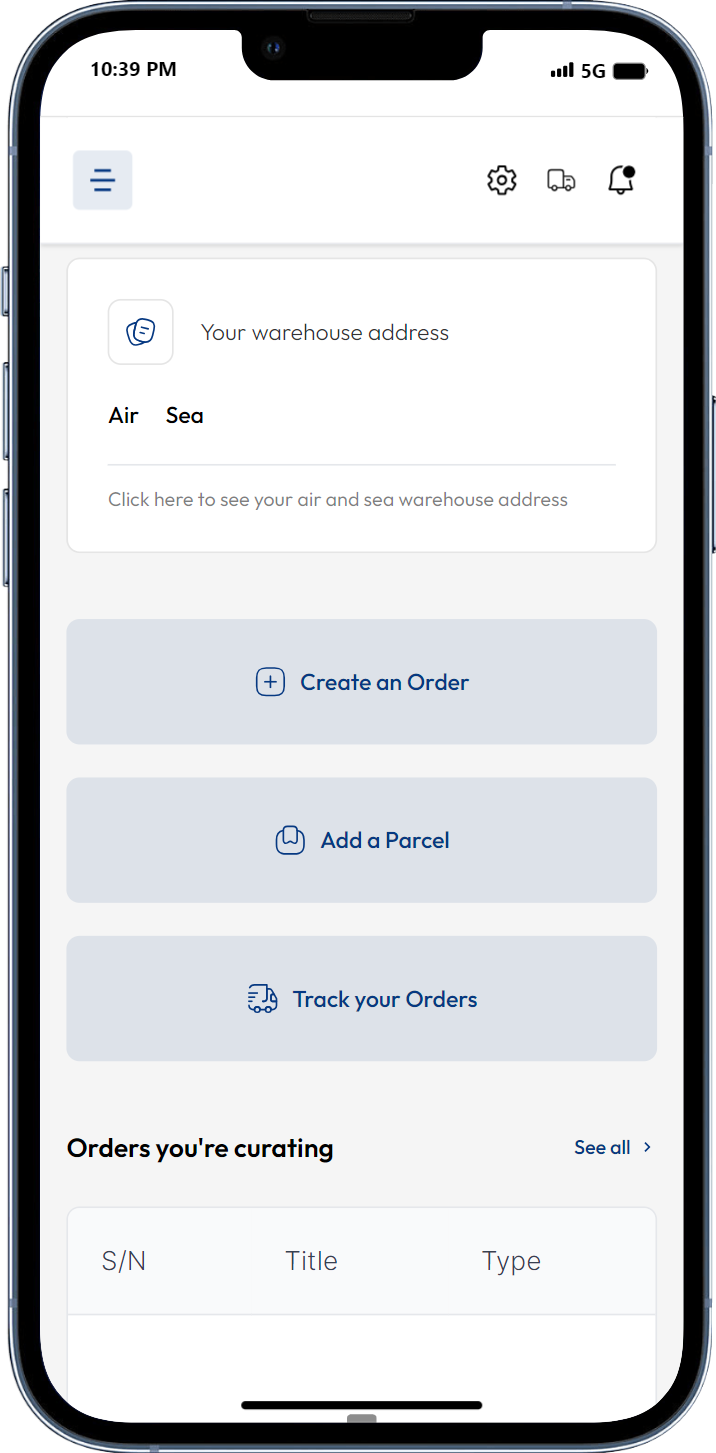
How Proc360 helps: Our dashboard shows exactly where your goods are from Chinese warehouse to your doorstep—no guessing, no surprises.
6. Build Inventory Buffers for Peak Seasons
How to manage the supply chain effectively and efficiently during disruptions? Plan for them.
Major disruptions happen every year:
Chinese New Year (February): 4-6 weeks of factory closures
Golden Week (October): 1 week shutdown
Peak Season (August-October): Higher costs, longer lead times
What can effective and efficient supply chain management do? Anticipate these periods and order early.
Example: If you need stock for December sales, place orders by August at the latest to avoid the peak season rush and CNY shutdowns.
7. Work With Integrated Procurement Partners
How do you manage a supply chain without losing your mind? Partner with experts.
Instead of juggling suppliers, freight forwarders, clearing agents, and trucking companies separately, use an integrated platform that handles everything.
What is supply chain management in procurement? It's coordinating all these moving parts seamlessly.
Benefits of integrated partners: ✅ Single point of contact ✅ Transparent pricing (no hidden fees) ✅ Faster problem resolution ✅ Better negotiating power with suppliers and carriers
Supply Chain Efficiency Examples That Work
Example 1: Consolidation Savings: Chioma imported from 4 suppliers monthly, paying ₦150,000 in shipping each time (₦600,000/month). After consolidating through Proc360, she combined all orders into one shipment, paying just ₦350,000/month—saving ₦250,000 monthly.
Example 2: Pre-CNY Planning: Kwame needed inventory in February 2026. Instead of ordering in January (when factories close for CNY), he ordered in November 2025. His goods arrived on time, while competitors faced 6-week delays and paid 40% more for emergency air freight.
Example 3: RMB Payment: Efficiency Ama used to convert Naira → USD → RMB, losing 5-8% in exchange fees. By using Proc360's RMB Wallet, she pays suppliers directly in Chinese Yuan, saving ₦80,000 on every ₦1 million order.
Supply Chain Efficiency Metrics to Track
How does supply chain management help a company to improve efficiency and effectiveness? Measure what matters.
Track these key metrics monthly:
📊 Order Cycle Time: Days from placing order to receiving goods (target: under 45 days for sea freight) 📊 Perfect Order Rate: % of orders delivered on time, complete, and undamaged (target: 95%+) 📊 Inventory Turnover: How many times you sell through inventory annually (higher = better cash flow) 📊 Freight Cost Ratio: Shipping cost as % of product value (target: under 15%) 📊 Cash-to-Cash Cycle: Days from paying supplier to receiving customer payment (shorter = better)


What Is Supply Chain Management in Procurement?
Supply chain management in procurement is the process of coordinating all activities involved in sourcing products from suppliers, transporting them, clearing customs, storing inventory, and delivering to customers—all while minimizing costs and maximizing efficiency.
For importers sourcing from China, this means managing:
Supplier relationships and order placement
Production timelines and quality control
Freight booking and shipping logistics
Customs clearance and documentation
Inventory management and warehousing
Last-mile delivery to customers
What is efficiency and effectiveness in supply chain management?
Efficiency = Doing things right (minimizing waste, reducing costs, optimizing time). Effectiveness = Doing the right things (meeting customer needs, maintaining quality, achieving business goals)
You need both. An efficient supply chain that delivers the wrong products is useless. An effective supply chain that costs too much isn't sustainable.
What Are the 5 Basic Steps of Supply Chain Management?
Before we dive into advanced strategies, let's cover the fundamentals. What are the 5 basic steps of supply chain management?
Step 1: Planning – Forecast demand, set budgets, choose suppliers. Step 2: Sourcing – Select suppliers, negotiate terms, place orders. Step 3: Manufacturing/Production – Monitor production timelines and quality. Step 4: Logistics – Arrange shipping, handle customs, manage warehousing. Step 5: Returns/After-Sales – Handle defects, customer service, restocking
Most problems in supply chains happen because one of these steps breaks down. Fix the weak link, and everything flows better.


How Proc360 Helps You Manage Supply Chain Effectively
At Proc360, we understand that how to manage the supply chain effectively and efficiently isn't just about theory—it's about execution.
Here's how we help African importers achieve supply chain effectiveness:
✅ Supplier Verification: We vet suppliers so you avoid scams ✅ RMB Wallet: Pay directly in Chinese Yuan and save on conversion fees ✅ Free Consolidation: Combine orders to reduce shipping costs ✅ Documentation Support: We handle customs paperwork and clearance ✅ Real-Time Tracking: Monitor shipments from China to your doorstep ✅ Strategic Planning: We alert you about CNY, peak seasons, and optimal ordering windows
Stop struggling with fragmented supply chains. Start managing procurement like a pro.
Ready to improve your supply chain efficiency? Sign up with Proc360 today and experience stress-free importing from China.