How to Import Small Quantities from China: A Practical Guide for Nigerian SMEs
A practical guide for Nigerian SMEs to import small quantities from China. Learn product selection, suppliers, shipping, and total landed cost.
GROWING BUSINESSGETTING STARTED
Ugbe Zurishaddai
4/9/20267 min read
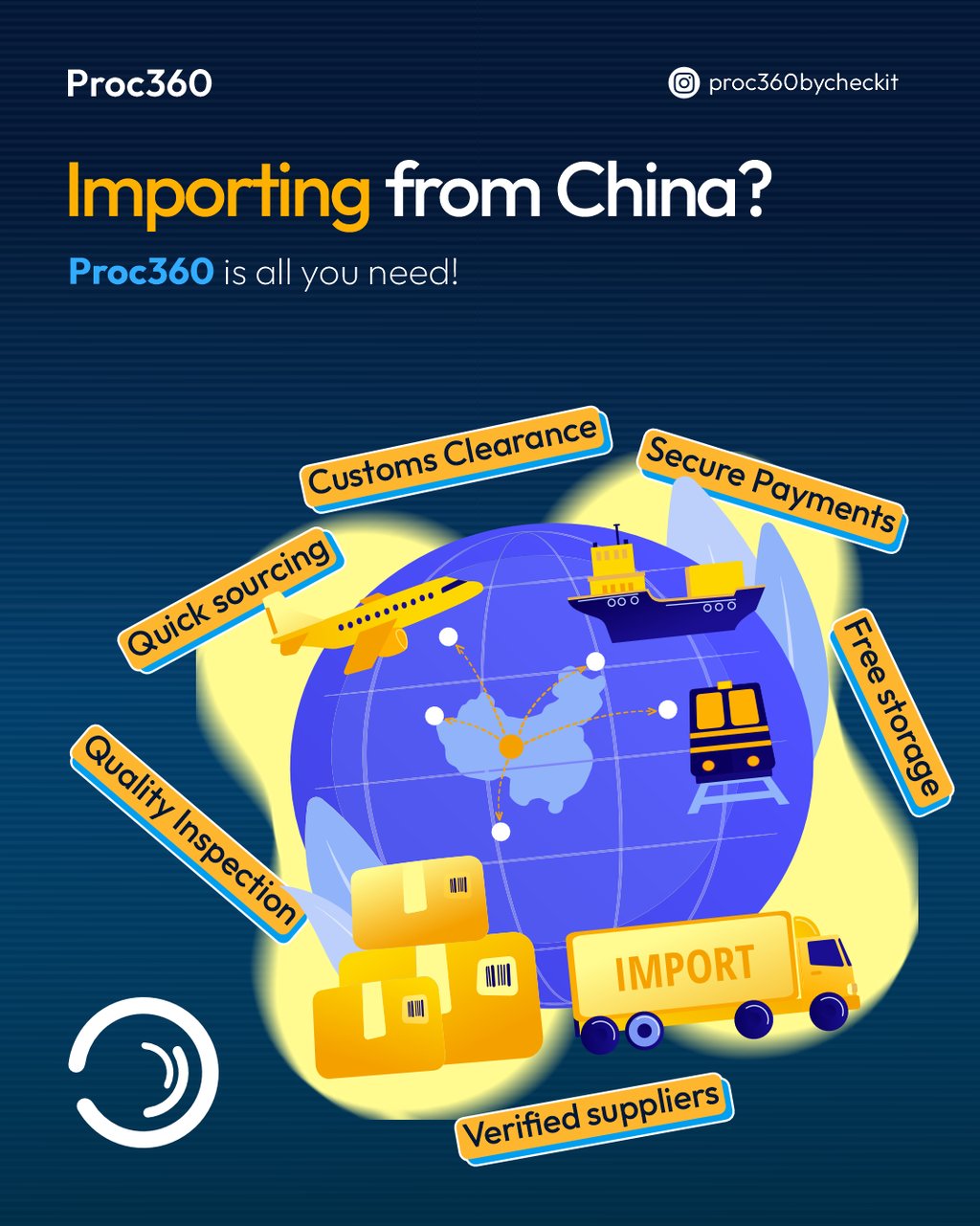
Importing from China as a small business is completely achievable, and you can create a thriving business as long as you have the right goods and the right platform to simplify your imports.
Don't let high prices of containers or expensive fees scare you, several importers just like you are importing small shipments from China and making massive profits and quick turnovers.
This guide shows you exactly how to import small quantities from China with healthy margins and compounding profits over time.
Step 1: Choose the Right Product
The biggest mistake new importers make is choosing a product because it looks cheap on Alibaba. The right question is: cheap relative to what?
Your profit comes from the gap between what you pay (product + shipping + duties + logistics) and what the Nigerian market will pay. That gap can disappear fast if you pick the wrong product.
Products that work well for small quantity imports:
- High value-to-weight ratio (electronics accessories, beauty tools, fashion items, watches)
- Items with consistent Nigerian demand and low local substitutes
- Products not restricted by NAFDAC, SON, or import prohibition lists
- Items you can verify quality on without needing a lab
What to avoid as a beginner:
- Food, drugs, and consumables — heavy NAFDAC documentation required
- Electrical appliances above certain thresholds — SON certification needed
- Anything on Nigeria's import prohibition list (check the current CBN/NCS list)
Check competitor prices on Jumia and Konga before you buy. If local prices are already tight, factor in your full landed cost — product, shipping, customs duty, and last-mile delivery before deciding the margin works.
Step 2: Find Suppliers in China
You have three main sourcing channels, each with different trade-offs.
Alibaba
The default for most Nigerian importers. Alibaba connects you to manufacturers and trading companies who are set up for international orders, speak workable English, and accept international payments. Use Trade Assurance suppliers, the shield icon means your payment is protected if goods don't arrive or don't match the description.
To verify a supplier on Alibaba:
- Look for Gold Supplier status (paid membership, not a quality guarantee but a baseline filter)
- Check transaction history and response rate
- Read negative reviews carefully
- Request a video call before placing a significant first order
- Ask for their business licence and factory photos
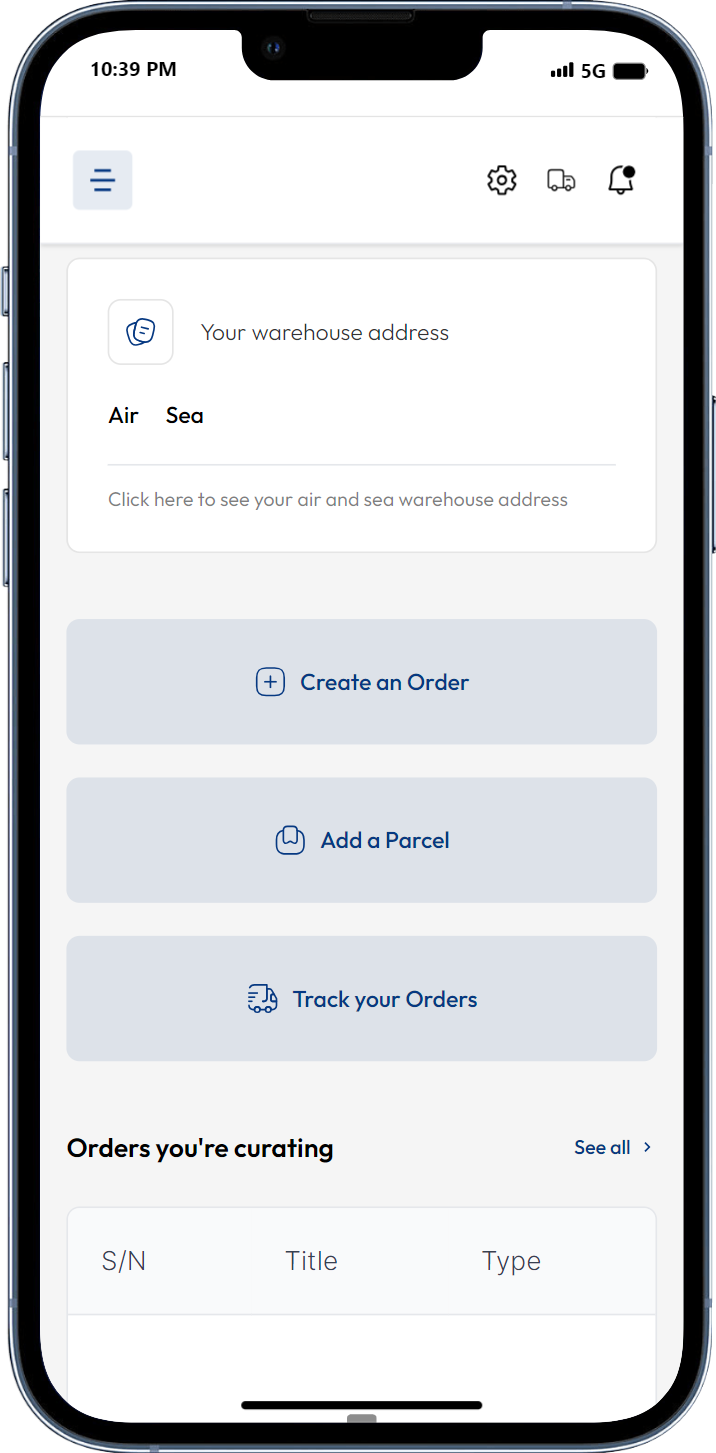
Proc360
This is the easiest and best platform to use, especially if you're a beginner.
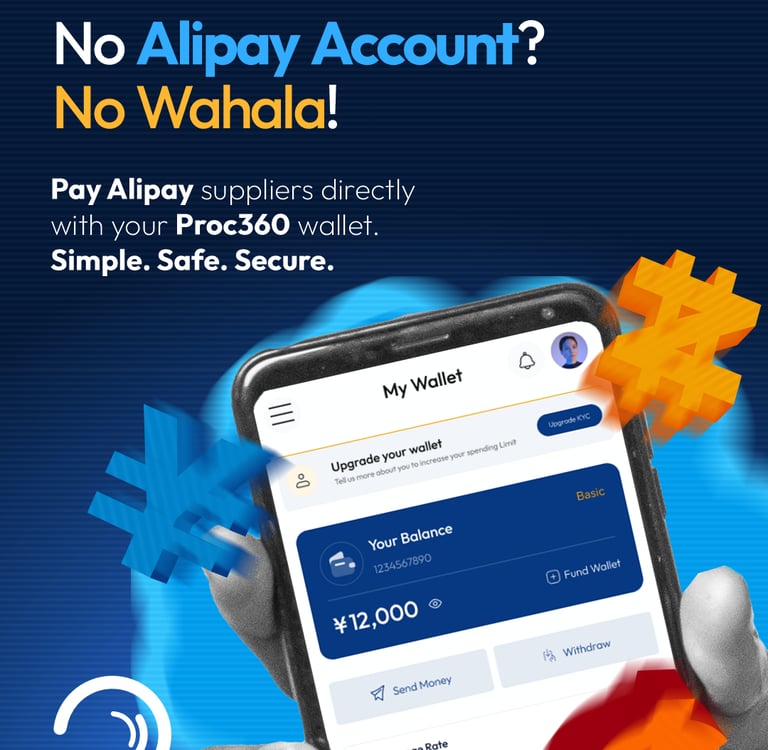
All you need is a link, product or description of the goods you want to buy, then the platform connects you with verified suppliers offering the best rates.
With Proc360, you can:
Source high quality goods
Pay suppliers securely
Ship easily without customs drama
Plan profit margins with upfront costs
1688 is Alibaba's domestic Chinese marketplace, prices are significantly lower because it's designed for Chinese buyers, not exporters.
Unfortunately, everything is in Mandarin, suppliers aren't set up for international shipping, and payment is through Chinese systems, so it's very hard to navigate.
Taobao
Similar to 1688 but more consumer-focused. Good for finding product ideas and checking what's available, but not ideal for bulk or semi-bulk sourcing.
Step 6: Choose Your Shipping Method
Shipping is where many small importers lose money as a result of poor planning.
Air Freight
It is fast (5–10 days China to Nigeria), reliable, and trackable.
But it is also the most expensive per kilogram.
Best for: high-value, low-weight orders where speed matters and the per-kg cost is a small fraction of the product value.
Sea Freight (LCL — Less than Container Load)
You share container space with other shipments.
It is cheaper per kg/CBM than air, but takes 25–40 days.
Best for: heavier, lower-value goods where time isn't critical.
Consolidation Services
If your order is too small for LCL but too heavy and bulky for cost-effective air freight, consolidation is the answer.
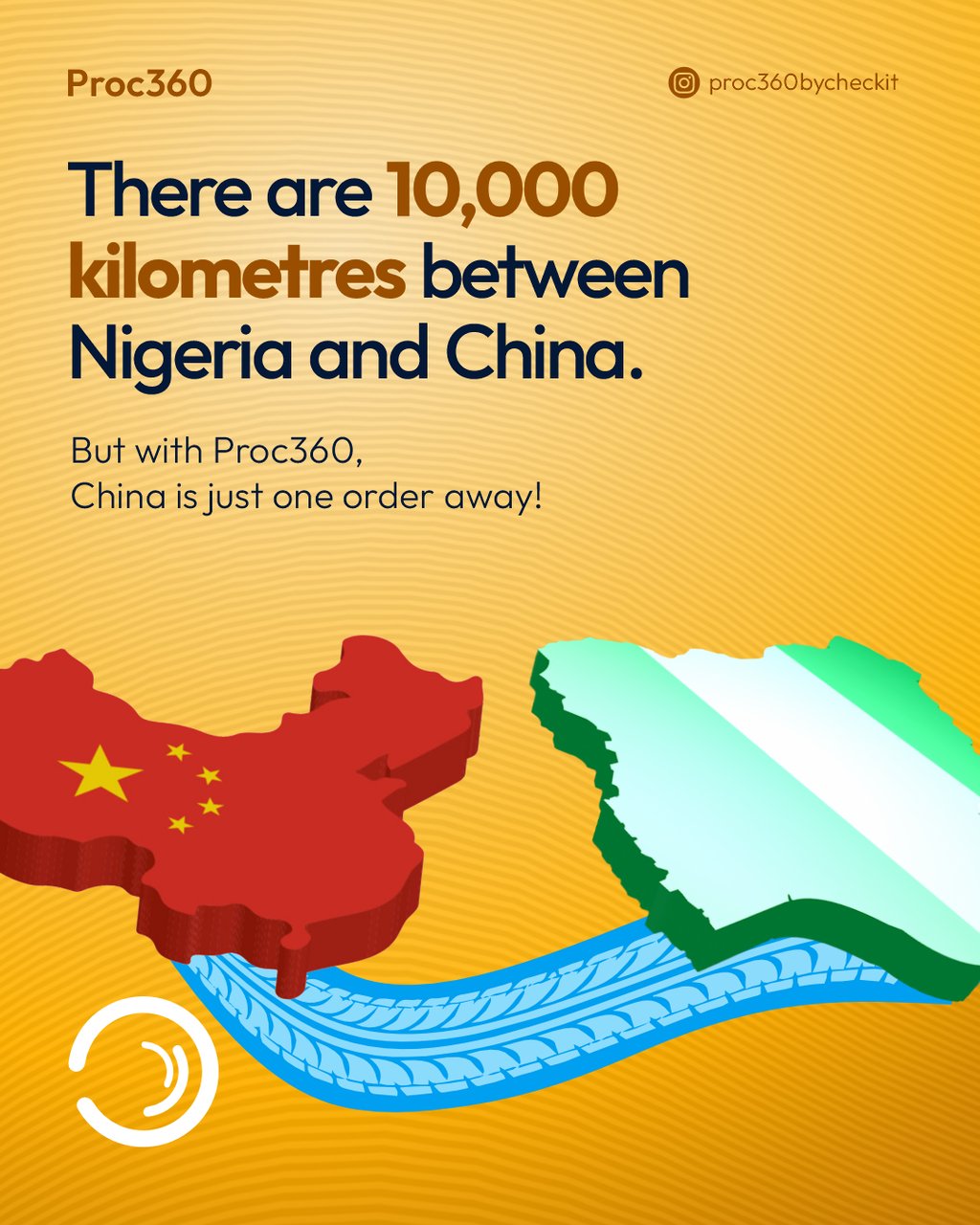
Platforms like Proc360 consolidate your goods with other shipments to Nigeria, splitting the sea freight cost. This is the most cost-effective option for many Nigerian SME importers in the 20–100kg range.
A rough rule: under 50kg, consider air freight. Over 100kg, sea LCL or consolidation usually wins on cost.
Step 7: Understand Nigerian Import Documentation
Getting goods into Nigeria requires proper paperwork. Missing documents means delays at the port, fines, or worse, your goods can be seized by Customs.
The essentials for most imports:
- Form M — CBN import declaration, required before payment and shipment
- Proforma Invoice— from your supplier, needed to open Form M
- Packing List— itemised list of what's in each carton
- Bill of Lading or Airway Bill— proof of shipment from the carrier
- Combined Certificate of Value and Origin— declares the goods' value and country of origin
- HS Code— Harmonised System code that determines your import duty rate
- Duties and levies: Import duty in Nigeria is calculated on the CIF value (cost + insurance + freight) of the goods, at rates set by the Nigerian Customs Service tariff schedule. Rates vary significantly by product category.
-NAFDAC and SON requirements: apply to specific product categories. If you're importing food, cosmetics, pharmaceuticals, or electrical/electronic products, check the relevant agency's registration requirements before placing your order, not after goods are on the water.
Before committing to any product, factor in the cost of every step.
A ₦3,000 product from China that costs an extra ₦2,500 in landed costs leaves you with very little room. A ₦3,000 product with just ₦800 in landed costs is a real business.
Most Profitable Items to Import from China to Nigeria
This changes with market conditions, but categories that consistently generate margins for Nigerian importers include:
- Phone accessories — cases, chargers, earbuds, power banks (high volume, competitive but high turnover)
- Human hair and wigs— strong demand, good margins for quality products
- Skincare and beauty tools — high perceived value relative to China cost price
- Kitchen and home appliances— blenders, air fryers, small cookers
- Fashion accessories— bags, shoes, jewellery
- Children's toys and educational items— seasonal spikes but strong recurring demand
The most profitable item isn't fixed, it's the one with the best margin in your specific market, at your specific time. Research local pricing before you source, not after.
Step 3: Deal With Minimum Order Quantities (MOQ)
Most factories set MOQs ( minimum order quantities). These exist because it's not profitable for them to produce ten units of something that requires a full production run. Common MOQs range from 50 to 500 units depending on the product and supplier type.
As a small importer, you have several ways around this:
1. Trading companies over factories: Trading companies aggregate orders from multiple buyers. Their prices are slightly higher than going direct to a factory, but MOQs are much lower. On Alibaba, filter for trading companies when you need flexibility.
2. Ask directly: Many MOQs are negotiable, especially if you present yourself as a long-term buyer. A polite message explaining you want to start with a trial order and scale up often gets a response. The worst they can say is no.
3. Sample orders first: Always request samples before committing to any meaningful quantity. Pay for the sample though, because ffree samples attract less serious buyers and the quality can differ from paid ones.
A sample order lets you verify quality, check dimensions, and test the supplier's communication before you're in for a larger sum
Step 4: Verify Your Supplier Before Paying Anything
Supplier fraud is real. The stories in the Nigerian import community about agents who disappear after payment, goods that arrive completely different from what was ordered, or suppliers who vanish after a deposit are not rare exceptions.
They are common enough to treat supplier verification as a mandatory step, not a nice-to-have.
How to verify a Chinese supplier:
- Request their business licence
- Video call the factory: ask them to show you the production floor and current inventory. A supplier who refuses a video call is a red flag.
- Use a third-party inspection service: companies like SGS, Bureau Veritas, or AsiaInspection can physically visit a factory and verify it exists.
- Never pay 100% upfront to a new supplier: standard trade terms are 30% deposit, 70% before shipment. Any supplier demanding full payment before production from a first-time buyer should be treated with caution.
- Only pay to a company bank account: if a supplier asks you to send money to a personal account or via informal channels, walk away.
The Smartest Option
Use Proc360, an import platform that connects you with only verified suppliers, with quality inspection for all goods.
Step 5: Pay Your Supplier Safely
Nigerian importers have several legitimate options for paying Chinese suppliers, for example:
Alibaba Trade Assurance
Bank SWIFT transfer (telegraphic transfer)
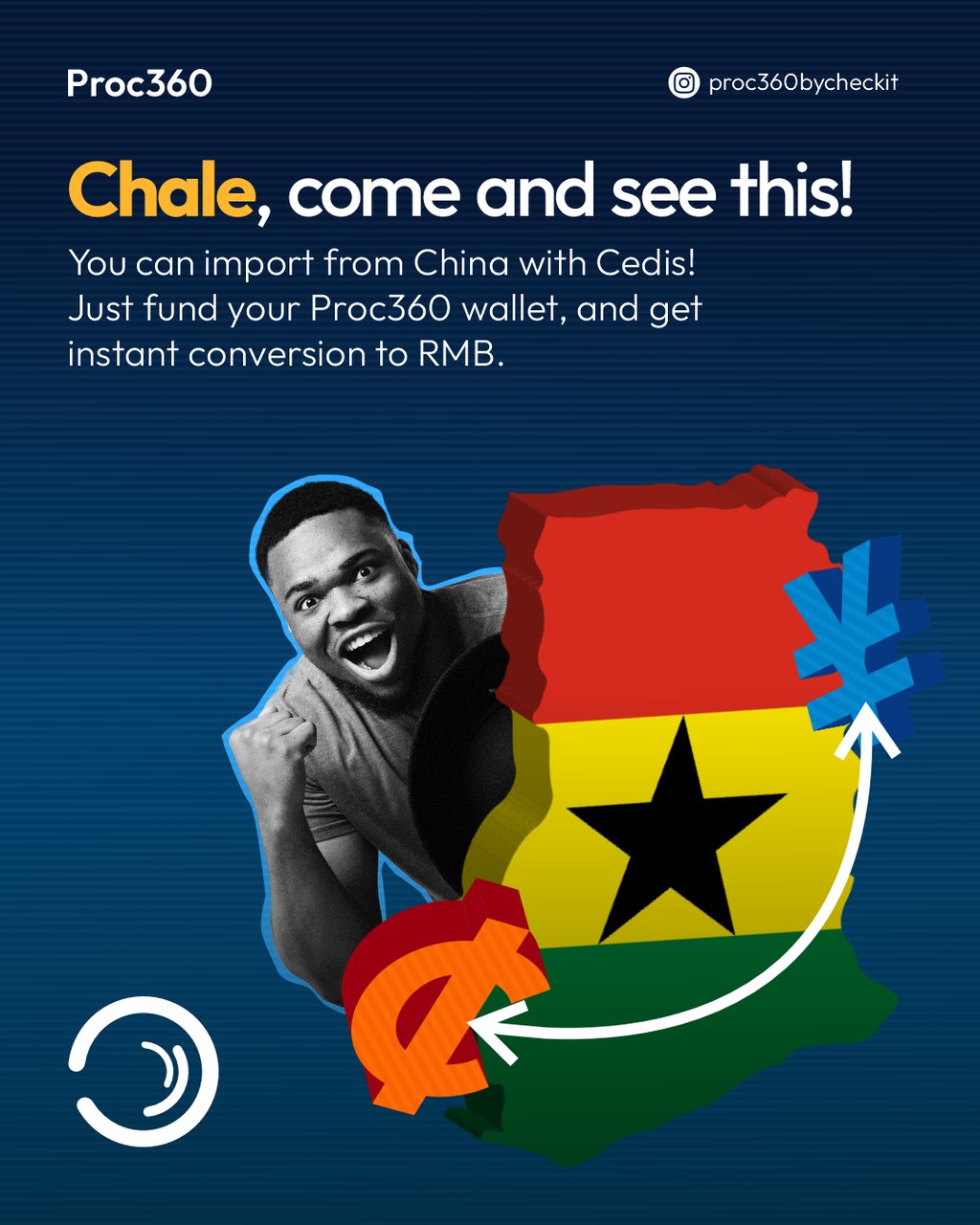
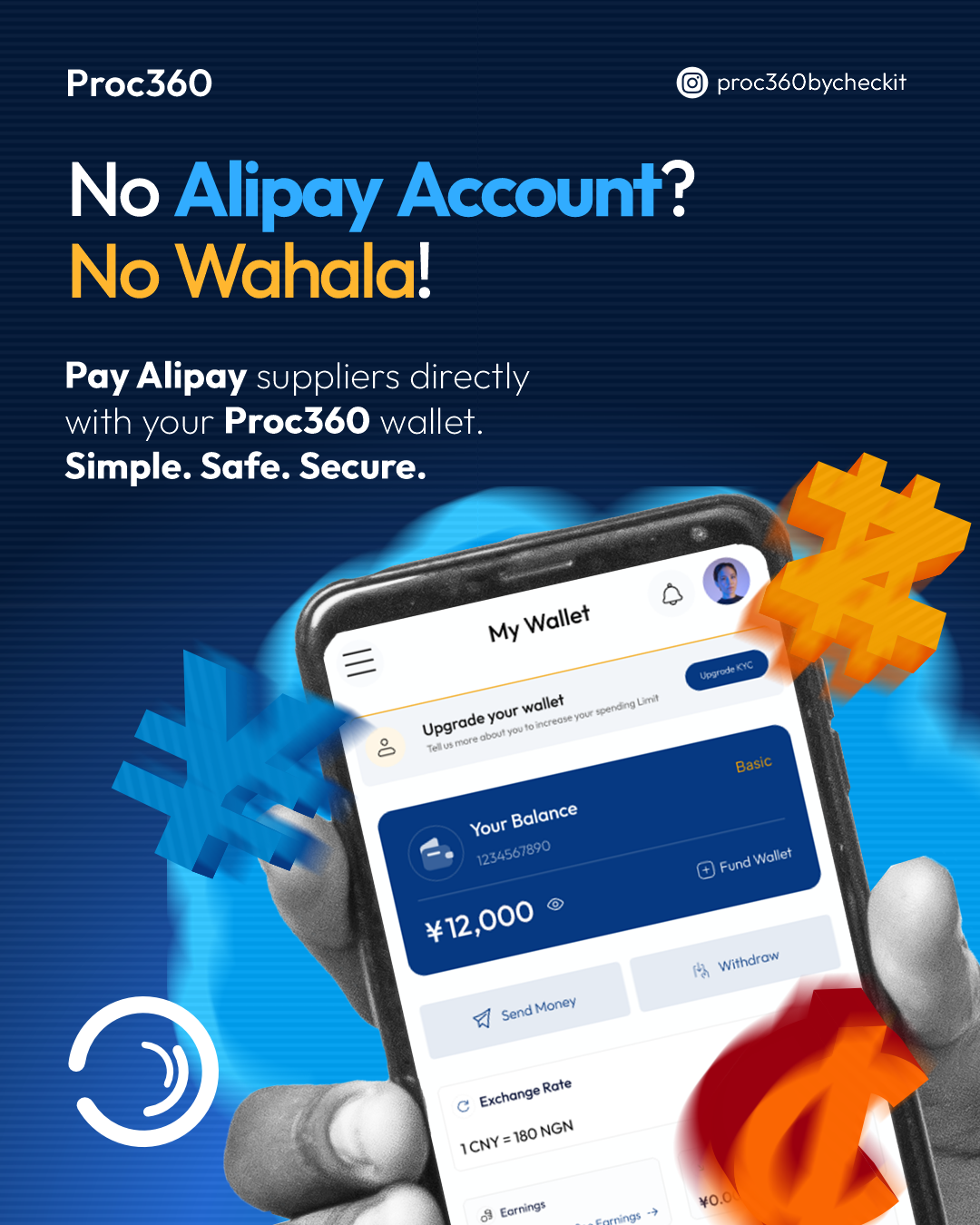
Proc360 wallet
Avoid: paying through informal agents to personal accounts, WhatsApp-only transactions with no paper trail, or any arrangement where you can't verify where your money is going.
You can start small and grow big!
Importing from China is a marathon, not a sprint. To start and grow a business out of mini importation, all you have to do is plan ahead and partner with a platform that has your business’s best interests at heart.
Try out Proc360 today for easy, safe Importing and get access to guides, support, and a thriving community full of importers at different stages who are ready to help you grow, no matter what stage you're in.