How to Import from China Without an Agent
Learn how to import from China without an agent. Discover how to find suppliers, negotiate prices, manage shipping, and avoid costly importing mistakes.
GROWING BUSINESSGETTING STARTED
Ugbe Zurishaddai
2/5/20268 min read
Have you been thinking about cutting out middlemen and agents, and importing directly from Chinese factories? You're not alone.
Many entrepreneurs wonder if they can save money by handling everything themselves instead of using a china import agent.
The short answer is yes, you can import from China without an agent. But should you? And if so, how do you do it properly? This guide walks you through the entire process, from finding suppliers to getting products delivered to your door.


When Direct Importing Makes Sense
Direct importing works best when you have time to manage the process, order quantities that meet factory minimums, knowledge about your product category, ability to spot quality issues, and patience to handle problems yourself.
It works less well when you're testing new products with small orders, have limited time for supplier management, lack experience with importing, or need reliable quality assurance.
Proc360 Simplifies Direct Importing
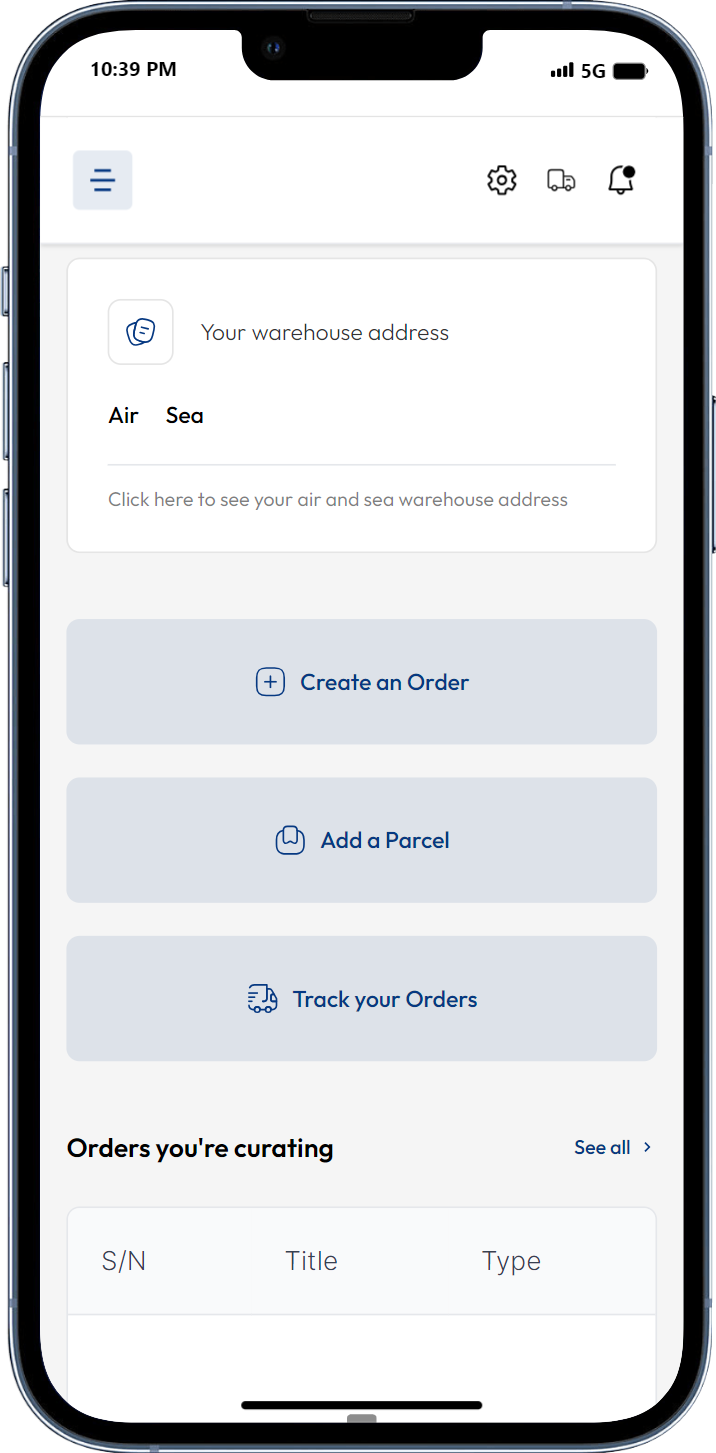
Even if you want the control of direct importing, you don't have to do everything alone. Proc360 offers services that support direct importers without the high cost of full service agents.
Their verified supplier network saves weeks of research time. You still choose your suppliers, but from pre-vetted options. Their multi currency wallet solves payment hassles. Add funds in your local currency and they handle RMB conversion at transparent rates.
Pre shipment inspections protect quality without you traveling to China. Warehouse consolidation lets you combine orders from multiple suppliers into one shipment, dramatically reducing freight costs.
Most importantly, their team speaks Chinese and understands local business practices. They're available when you need guidance but don't take over your entire process.
This middle ground approach gives you the cost savings of direct importing with professional support where it matters most.
So Is It Safe to Import from China?
Is it safe to import from China is one of the most common questions. The answer depends entirely on how you do it.
Importing safely requires thorough supplier verification, clear contracts with quality requirements, secure payment methods, quality inspections before shipping, and understanding import regulations for your country.
Millions of businesses worldwide import successfully from China every year. The difference between success and disaster is doing proper due diligence.
Why People Consider Skipping Chinese Import Agents
The main reason is cost savings. Agents typically charge service fees ranging from five to fifteen percent of your order value. When you're starting small, those fees add up quickly.
Direct sourcing from China also gives you more control. You communicate directly with factories, negotiate your own prices, and manage every step of the process. For some entrepreneurs, this hands-on approach helps them learn the business faster.
However, direct importing isn't always cheaper when you factor in mistakes, quality issues, and the time you'll spend managing everything yourself.
Step 1: Understanding What You're Getting Into
Before jumping in, understand that buying direct from China factories requires real work. You'll handle supplier verification, quality control, negotiations, payments, shipping logistics, and customs clearance yourself.
Ask yourself these questions first. Do you have time to research suppliers thoroughly? Can you communicate clearly despite language barriers? Are you comfortable managing international payments? Can you spot quality issues in products? Do you understand import regulations and taxes?
If you answered no to several of these, consider starting with an agent or platform like Proc360 that offers guidance while keeping costs reasonable.
Step 2: Finding Reliable Suppliers
This is where most people start, and it's where mistakes cost the most money.
Platforms like Alibaba, Made in China, and Global Sources connect you with thousands of Chinese suppliers. These are your main tools for how to source from China independently.
When searching, look for verified suppliers with gold or premium badges. Check their transaction history and read reviews from other buyers. Look at how long they've been in business and whether they specialize in your product category.
Pay attention to communication quality. Suppliers who respond quickly with clear English are easier to work with. Vague or delayed responses often signal problems ahead.
Also, many suppliers on Alibaba are trading companies, not factories. They act as middlemen themselves, which defeats your purpose of going direct.
What's the difference?
Real manufacturers typically specialize in specific product types. They can answer technical questions about production processes and materials. They'll have photos of their factory floor and equipment.
Trading companies offer wider product ranges and often give vague answers about manufacturing details. They're not necessarily bad, but you won't get factory direct prices.
When you find suppliers, you also need to verify their legitimacy.
Every legitimate Chinese business has a business license. Request a copy and verify the company name matches what they use in communications. Check that their business scope includes manufacturing your product type.
Use video calls to tour facilities. Ask to see current production runs. Request multiple photos showing different areas of their operation. Real manufacturers welcome this transparency.
In Conclusion
You can absolutely import from China without an agent. Thousands of businesses do it successfully. The key is understanding what you're taking on and preparing properly.
Direct importing saves money but requires time and knowledge. It gives you control but comes with responsibility. Whether it's right for you depends on your specific situation, product, and resources.
If you decide to go direct, start small to learn the process. Build relationships with reliable suppliers gradually. Don't skip steps like sample approval and quality inspection. These protect your investment.
And remember, getting some professional support doesn't mean hiring a full service agent. Platforms like Proc360 let you maintain control while getting help with the trickiest parts of importing goods from China.
Whether you choose to import completely independently or with strategic support, understanding this process puts you ahead of most importers. Use that knowledge to build a successful direct sourcing business.
Ready to start importing from China?
Explore Proc360's flexible sourcing support at Proc360.com
The easiest way to buy from China. Start for free.


Step 3: Negotiating and Placing Orders
Once you find potential suppliers, negotiation begins. This step separates successful direct importers from those who give up and hire agents.
Chinese suppliers quote FOB (Free On Board) prices, which means you pay for everything after goods leave their factory. This includes international shipping, insurance, customs duties, and local delivery.
Ask for complete quotations including shipping estimates. Compare at least five suppliers for the same product. Prices varying by fifty percent or more signal either quality differences or potential scams.
Pro tip: Don't accept the first quote. Politely ask if there's flexibility, especially for larger orders. Like normal Nigerian markets, most suppliers expect some negotiation.
Another thing to note is minimum order quantities.
Every factory has minimum order quantities. These protect their production efficiency. When you're starting small, high minimums present challenges.
Some factories offer lower minimums for new customers. Others won't budge. If minimums exceed your budget, you have three options. Find a smaller factory, order a mixed container of different products, or start with an agent who can combine your small order with others.
Once you're ready to make payments, it's important to stay protected.
Standard terms are a deposit to begin production and final payment before shipping. Common splits are thirty seventy or forty sixty percent.
Never pay one hundred percent upfront unless you're buying through platforms with buyer protection like Alibaba Trade Assurance. Even then, understand the protection terms clearly.
Use secure payment methods. Bank wire transfers directly to the registered company account work for established suppliers. For first orders, consider letters of credit through your bank or escrow services.
Step 4: Managing Quality Control
Without an agent, quality control becomes entirely your responsibility. This is where many direct importers face their biggest challenges.
Always order samples before bulk production. Test them thoroughly. Check materials, construction quality, functionality, and packaging. If samples don't meet standards, address issues before production starts.
Even if the samples meet your standards, you're not out of the woods yet. Keep those approved samples and include them in your purchase agreement. Reference them as the quality standard for bulk production.
For larger orders, consider hiring third party inspectors to check quality during production. This catches problems before thousands of units are manufactured incorrectly.
If inspection costs seem high, remember they're cheaper than receiving “what I ordered vs what I got”
Before approving the final payment, inspect finished products or hire someone to do it. Check random samples from the batch. Verify quantities, packaging, and labeling.
Problems found at this stage can still be fixed. After shipping, your leverage disappears.
Step 5: Handling Shipping and Logistics
Shipping from China to your country involves multiple steps, each with potential pitfalls.
Air freight costs more but delivers in one to two weeks. Use it for small, valuable, or time sensitive orders. Sea freight takes four to eight weeks but costs significantly less per kilogram for larger shipments.
How long does shipping from China take depends on your method and destination. Air shipments to the US arrive in seven to ten days. Sea freight takes thirty to forty five days.
Understanding Incoterms
Incoterms define who pays for what during shipping. FOB means you handle everything after the factory loads goods. CIF (Cost, Insurance and Freight) means the supplier arranges ocean freight and insurance but you handle customs and local delivery.
For your first import, CIF often works better. The supplier manages international shipping, which they do regularly and understand well.
Another thing to prepare for is customs clearance
Every country requires customs declarations and often charges import duties. Research your country's requirements before ordering.
Common documents needed include commercial invoice, packing list, bill of lading, and certificates of origin. Your supplier provides most of these.
China import duties and china import taxes vary by product and destination country. Calculate these costs early so they don't destroy your profit margins.
To make things a bit easier, you can consider using a freight forwarder for logistics. They handle shipping arrangements, customs clearance, and final delivery. Their fees are reasonable considering the complexity they manage.
Ask your supplier to recommend freight forwarders they work with regularly. Established relationships often mean smoother processes.
Step 6: Managing Risks
Direct importing carries risks that agents normally handle for you. Some of these risks include:
Quality Issues: Receiving defective products with no recourse is a real risk. Minimize it by working only with suppliers who allow third party inspections and who have solid reputations.
Build quality requirements into contracts. Specify acceptable defect rates and consequences for non compliance.
Communication Challenges: Language barriers cause misunderstandings. Write everything important in clear, simple English. Confirm understanding by asking suppliers to explain back what you've requested.
Use tools like WeChat for daily communication. Chinese suppliers respond faster there than email.
Payment Security: Sending thousands of dollars to foreign bank accounts feels risky because it is. Protect yourself by verifying bank details match company registration. Start with smaller orders to test reliability. Use platforms with buyer protection when possible.
Never send money to personal accounts or through Western Union.
Regulatory Compliance: Importing products that don't meet your country's safety standards can result in customs seizures or legal problems. Research requirements for your specific products before ordering.
Request certificates and test reports from suppliers. Verify them with the issuing agencies.