How to Identify and Avoid Scams When Importing from China
Learn how to avoid scams when importing from China. Discover common supplier fraud tactics, red flags, and proven ways to verify Chinese suppliers before paying.
GROWING BUSINESSGETTING STARTED
Ugbe Zurishaddai
2/3/20269 min read
Importing from China can transform your business, but it also comes with real risks. Every year, thousands of entrepreneurs lose money to fraudulent suppliers, fake factories, and carefully orchestrated scams.
But there's an easy way to stay safe. Most scams follow predictable patterns, so once you know what to look out for, you can protect your business and import from China safely.
And even better, you can eliminate scams completely by using the safest shipping platform: Proc360. This means you only deal with verified suppliers, who deliver the best quality goods.
This guide shows you the warning signs, common tricks, and practical steps to verify suppliers before sending any money.


How Proc360 Protects You from Supplier Scams
Finding reliable china wholesale suppliers is just the first challenge. You also need to manage payments, verify quality, handle logistics, and navigate customs.
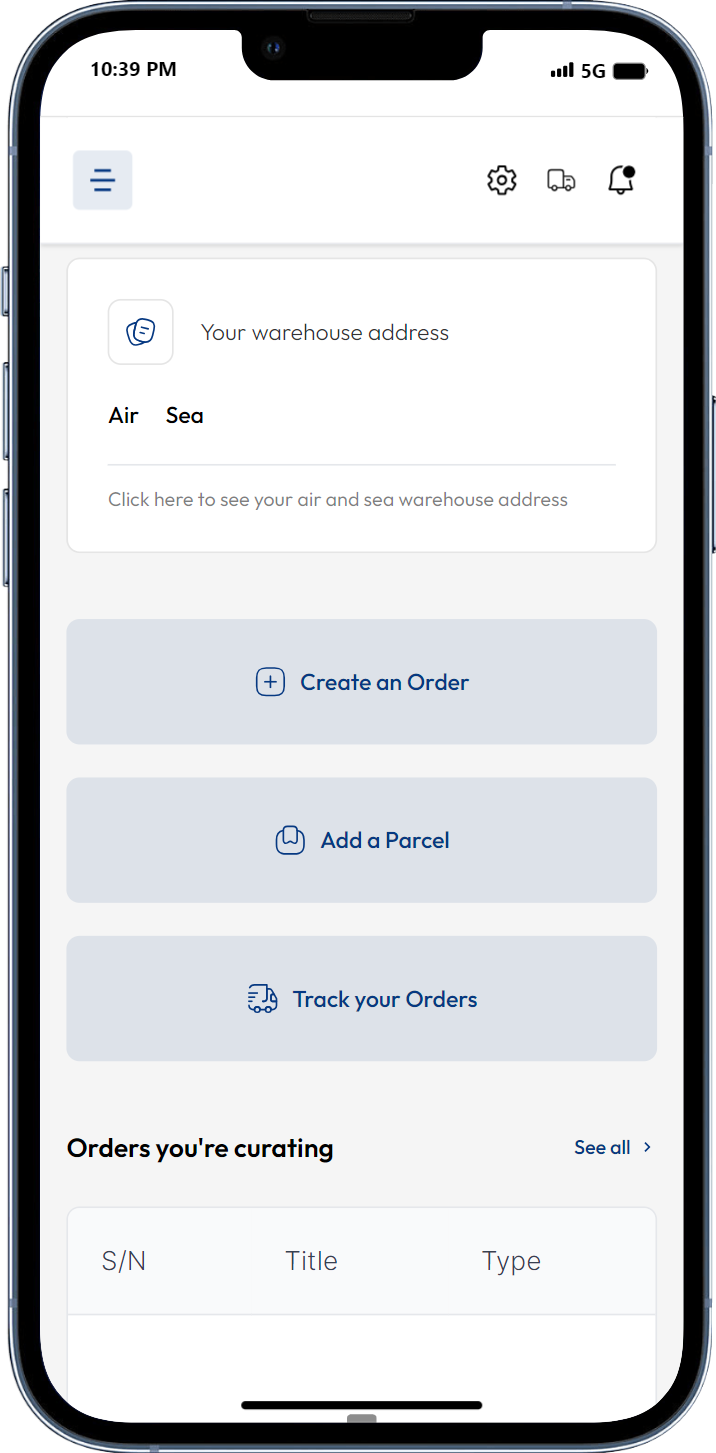
Proc360 simplifies the entire china import business by providing verified supplier networks, secure payment processing, pre shipment inspections, and transparent shipping. Their team speaks Chinese and understands local business practices, protecting you from common tricks and misunderstandings.
When you use Proc360 for sourcing from china, they verify suppliers before connecting you, hold funds securely until quality is confirmed, conduct inspections at the factory, consolidate shipments to save costs, and handle customs documentation.
This end to end support means you're not navigating chinese supplier verification alone. You have experienced professionals protecting your interests at every step.
What to Do If You've Been Scammed by a Chinese Supplier
If despite precautions you end up scammed by a chinese supplier, act quickly.
First, document everything. Gather all emails, payment receipts, contracts, and communications. This evidence is essential for any recovery attempts.
Contact your bank immediately if you used wire transfer. Sometimes payments can be recalled if caught quickly enough. If you paid through Alibaba or another platform, file a dispute through their resolution process.
Report the supplier to the platform where you found them. File complaints with China's consumer protection agencies and your local trade authorities.
Consider hiring a lawyer specializing in international trade if the amount is significant. Legal action is expensive and difficult across borders, but sometimes the threat alone can prompt refunds.
Most importantly, learn from the experience. Understand what red flags you missed so you can avoid similar situations in the future.
Building Long Term Relationships with Honest Suppliers
Not every supplier in China is trying to scam you. Most are honest businesses trying to build long term relationships.
Once you find reliable partners, nurture those relationships. Pay on time, communicate clearly, be reasonable with requests, and show loyalty when they perform well.
Good suppliers value consistent, professional buyers. When you prove you're serious and fair, they'll prioritize your orders and often give you better pricing and terms over time.
This is why verification matters so much at the start. Investing time to find the right partners pays dividends for years.

Why Scams Happen When Sourcing from China
China is the world's largest manufacturing hub. With millions of suppliers competing for business, some resort to dishonest tactics to win orders. The distance, language barriers, and payment methods make it harder to verify who you're really dealing with.
Many scammers target new importers who don't know how to verify Chinese suppliers properly. They count on you being excited about low prices and rushing to place orders without doing basic check.
Understanding how these scams work is your first line of defence.
Common Scams When Buying from Chinese Suppliers
The Fake Factory Scam
This is one of the most common Alibaba scams. Someone creates a convincing website, steals photos from real factories, and pretends to be a manufacturer. They collect your deposit and disappear.
Sometimes they're not completely fake. They might be trading companies pretending to own factories. The problem is they have no control over quality or production timelines. Your order gets subcontracted to the cheapest factory they can find.
How to spot it: Real manufacturers specialise in specific product categories. If a supplier claims to make everything from electronics to furniture to clothing, they're probably a trader. Also, check if their company name on the business license matches the name they use in emails and on Alibaba.
The Sample Switch
You order samples and they look perfect. You place a bulk order based on those samples, but when your shipment arrives, the quality is completely different. Cheaper materials, poor workmanship, different specifications
This happens because some suppliers keep one set of high quality samples just to win orders. Then they produce your bulk order using cheaper processes and materials to maximize their profit.
How to avoid it: Always include the approved sample in your purchase agreement. Better yet, hire a third party inspection service like Proc360 to check your bulk order before it ships. Our quality checks and inspection ensure and verify that production matches your approved samples.
Too Good to Be True Pricing
If a supplier quotes prices significantly lower than everyone else, there's usually a reason. Either they're planning to use inferior materials, they'll change the specs after you pay, or they're not planning to deliver anything at all.
Legitimate wholesale from china has fairly consistent pricing across suppliers. Factories operate on thin margins. When someone drastically undercuts the market, treat it as a major red flag.
What to do: Get quotes from at least five suppliers. If one is offering prices that seem impossible, it probably is. Ask detailed questions about materials, production processes, and certifications to see if they really understand the product.
The Payment Account Switch
You've been communicating with a supplier for weeks. Everything seems legitimate. Then suddenly, right before you're about to send payment, they email saying their bank account changed.
The new account doesn't match the company name on the business license. This is a classic scam. Fraudsters hack email accounts or impersonate suppliers to redirect payments to their personal accounts.
How to protect yourself: Always verify that the bank account name exactly matches the registered company name. If they claim their account changed, call them directly using a number you found independently, not one from the email. Never send money to personal accounts or through Western Union.
Fake Certifications and Compliance Documents
Some suppliers will claim their products meet safety standards like CE, FDA, or FCC. They'll even send you certificates. The problem is the certificates are forged.
When your products arrive and customs checks the documentation, or Amazon verifies your compliance, you discover the certificates are fake. Your shipment gets seized or your account gets suspended
Verification steps: Request original test reports from recognized laboratories. Verify the report number directly with the testing agency. Look for inconsistencies in dates, product descriptions, or company names on certificates
The Ghost Supplier
You find a supplier on Alibaba, communicate through the platform, agree on terms, and make a deposit. Then communication starts to slow down. Replies take longer. Excuses multiply. Eventually, they stop responding completely.
Your deposit is gone and you have no products.
Prevention: Use Alibaba Trade Assurance for orders. It holds payment until you confirm receipt of goods. For larger orders outside platforms, use escrow services or letters of credit through your bank. Never pay the full amount upfront.
For an easier solution, ship with Proc360, the platform only Sources goods from verified suppliers, meaning your money is safe no matter what.
Conclusion
Scams when importing from China are real, but they're also preventable. Most frauds succeed because buyers rush decisions, skip verification steps, or ignore obvious warning signs.
Protect yourself by researching thoroughly, verifying independently, starting small, documenting everything, and using professional support when needed.
The verification process might seem slow or expensive initially, but it's far cheaper than losing deposits, receiving unusable products, or dealing with customs seizures.
China remains one of the best places in the world to source products. With proper precautions and experienced partners like Proc360 supporting your import journey, you can build a profitable, sustainable business buying from china suppliers.
The key is approaching it with preparation, not just optimism. Smart importers verify first and trust later.
Ready to import from China safely?
Get started with Proc360's verified supplier network and secure importing process at Proc360.com
The easiest way to buy from China. Start for free.

Red Flags to Watch For
Knowing common scams is helpful, but you also need to recognize warning signs during your interactions.
Warning Sign 1: Pressure to Pay Quickly
Legitimate suppliers understand that buyers need time to verify information and make decisions. If someone is pushing you to pay immediately or offering special discounts that expire in hours, walk away. This urgency is designed to stop you from doing proper checks.
Warning Sign 2: No Physical Address or Vague Location
Every legitimate Chinese company has a registered address. If a supplier won't share their exact location, refuses video calls, or gives vague answers about where they're located, don't trust them.
Use Google Maps or Baidu Maps to verify the address exists. Better yet, ask for a video tour of their facility.
Warning Sign 3: Poor Communication
Professional suppliers respond to questions clearly and promptly. If your contact person seems confused about basic product details, gives contradictory information, or can't answer technical questions, they might not actually manufacture the product.
Also watch for Gmail or Yahoo email addresses instead of company domain emails. Real businesses use professional email addresses.
Warning Sign 4: No Business License or Inconsistent Documents
Every legal Chinese company has a business license. If a supplier hesitates to share theirs, or the details don't match what they told you, stop immediately.
Check that the registered business name, address, and business scope align with what they claim. The license should show they're authorized to manufacture your product category.
Warning Sign 5: Refusal to Allow Inspection
Confident manufacturers welcome inspections because they know their quality is good. If a supplier refuses to let you or a third party inspector visit before shipment, they're hiding something.
Quality inspections protect both parties. The supplier proves their work is good, and you verify before paying the final balance.
How to Verify a Supplier Before Placing Orders
Now that you know what to avoid, here's what to do instead.
Step 1: Research Beyond Their Website
Don't rely only on what the supplier tells you. Search their company name online along with words like review, scam, or complaints. Check if they have consistent information across multiple platforms.
Look for their business license number and verify it through China's National Enterprise Credit Information Publicity System. This confirms the company actually exists and is legally registered.
Step 2: Distinguish Manufacturers from Trading Companies
There's nothing wrong with trading companies, but you should know who you're working with. Manufacturers have deeper product knowledge, better quality control, and usually better pricing.
Ask specific technical questions about production processes. Real manufacturers can explain how they make the product, what equipment they use, and how they control quality. Traders often give vague or generic answers.
Step 3: Request Video Verification
Technology makes verification easier than ever. Ask for a video call where they show you the factory floor, equipment, and current production. This simple step eliminates most fake suppliers.
If they refuse or make excuses, that tells you something important.
Step 4: Use Third Party Verification Services
Services like Proc360 offer supplier verification as part of their importing from china support. They can conduct factory audits, verify business licenses, check production capacity, and provide detailed reports before you commit to an order.
This professional verification costs money upfront but saves far more by preventing scams and quality problems
Step 5: Start Small
Even after verification, start with a small test order. This lets you evaluate quality, communication, and delivery reliability without risking large amounts of money.
If the first order goes smoothly, you can increase order sizes. If problems appear, you've minimized your loss.
Step 6: Structure Payments Safely
Never pay the full amount upfront unless you're using a secure platform with buyer protection. The standard structure is a deposit to start production and final payment after inspection approval.
Use payment methods that offer some protection. Trade Assurance, escrow services, or letters of credit provide more security than direct wire transfers.
Step 7: Document Everything
Keep records of all communications, agreements, specifications, and approvals. If problems arise, documentation is your only leverage.
Include product specifications, quality standards, delivery timelines, and inspection requirements in a written contract. Both parties should sign it.