How to Choose the Right Shipping Company from China to Nigeria: What to Look For Before You Commit
Not every shipping company that claims to serve Nigeria truly understands the market. Here are the exact criteria to evaluate, and the red flags to avoid, before you commit to any logistics partner for your China imports.
GROWING BUSINESSGETTING STARTED
Jacob Ehigie
5/12/202610 min read
Yemi found a shipping company through a WhatsApp group recommendation. The quote looked good — cheaper than anything he'd seen before. He paid, his goods left China, and three weeks later they were sitting at Apapa with a storage bill growing by the day. His shipping company had no licensed clearing agent in Nigeria, couldn't handle his SONCAP documentation, and stopped answering calls the moment the port problems started.
He eventually cleared his goods — two weeks late and ₦180,000 over budget.
Choosing the wrong shipping company from China to Nigeria doesn't just cost you money on that one shipment. It disrupts your inventory cycle, damages your supplier relationships, and drains the time and capital you need to grow. The right partner, on the other hand, makes the entire process predictable — from payment in China to delivery at your door.
This guide covers every criterion that matters when evaluating a shipping company for the China-to-Nigeria route, the questions you should ask before committing, the red flags that should make you walk away — and what to look for in an import platform that handles everything in one place.
Freight Forwarder, Shipping Line, or All-in-One Platform — What's the Difference?
Before you can choose the right partner, you need to understand the three types of logistics providers operating on the China-to-Nigeria route.
A shipping line (like Maersk or MSC) owns the actual vessels that move containers across the ocean. They sell container space but typically don't handle sourcing, customs clearance, or last-mile delivery. Working with a shipping line directly means you're managing everything else yourself.
A freight forwarder acts as the coordinator between you and the various carriers, agents, and customs officials involved in your shipment. A good freight forwarder with Nigeria-specific experience handles your documentation, books your space, arranges clearance at Apapa or Tin Can Island, and organises delivery to your location.
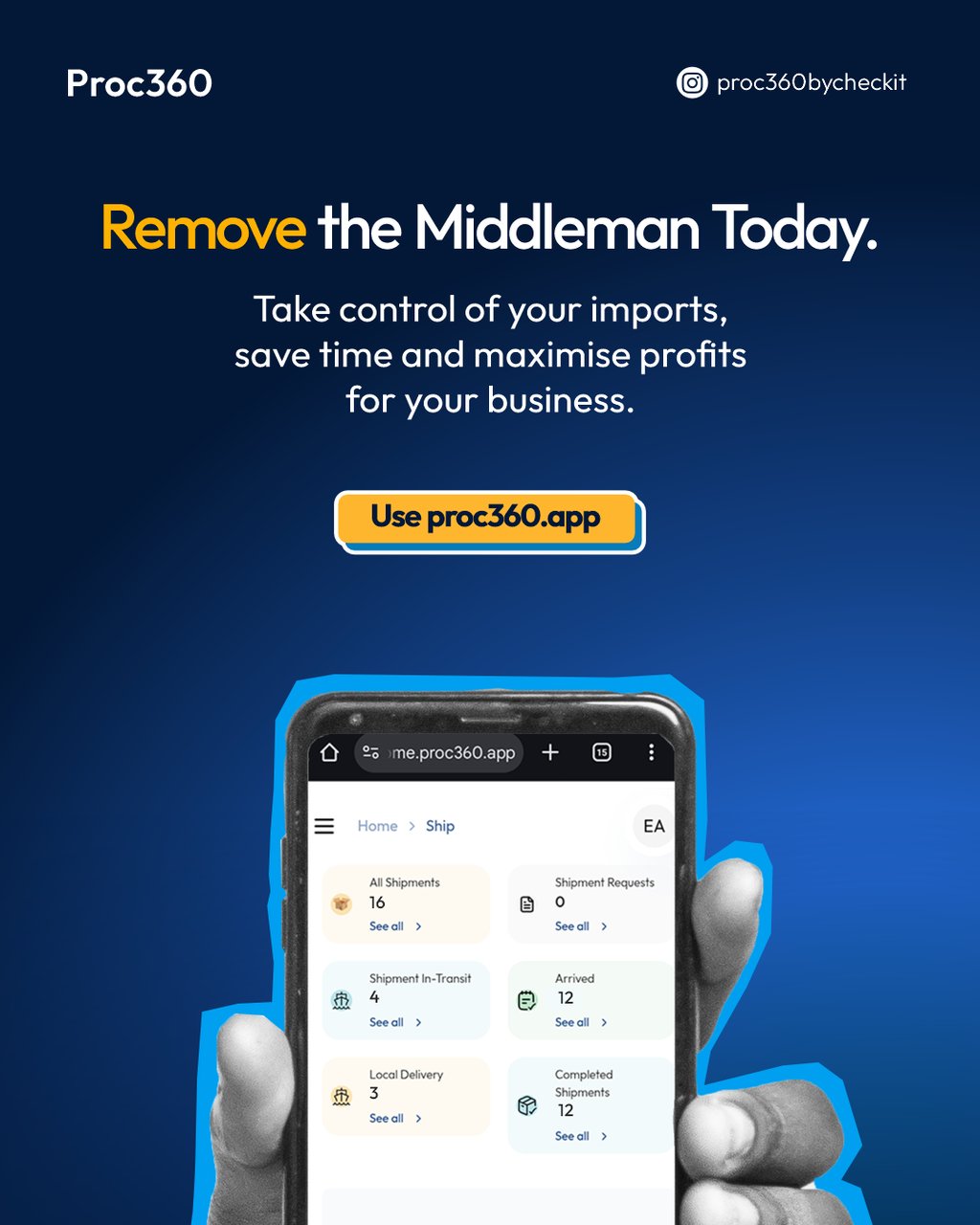
An all-in-one import platform combines sourcing, payment, warehousing, shipping, and customs support into a single dashboard. You handle each step directly — choosing your products, paying your supplier, selecting your freight mode, and tracking your shipment — without needing to coordinate between multiple separate providers.
For most Nigerian importers, especially those sourcing from multiple Chinese suppliers, a freight forwarder or an all-in-one platform is the practical route. The key is knowing which one you're dealing with — and what they actually cover.
7 Criteria That Separate Good Shipping Companies from Expensive Mistakes
When evaluating any shipping company or import platform for the China-to-Nigeria route, run through these seven criteria before you commit.
1. Nigeria-Specific Experience
This is the most critical and most overlooked criterion. Shipping to Nigeria is not the same as shipping to the UK or the US. Your logistics partner needs to understand Apapa and Tin Can Island port procedures, Form M processing requirements, SONCAP certification for regulated goods, NAFDAC documentation where applicable, and the realities of Nigerian customs clearance timelines.
A company with no experience on this route will learn on your shipment — and you will pay for that education in delays, demurrage charges, and impounded goods. Ask specifically: how many Nigeria-bound shipments do they process each month? Do they have a licensed clearing agent at Lagos ports? Have they handled SONCAP documentation before?
2. Transparent, Itemised Pricing
A low headline freight rate is meaningless if it's followed by a list of surcharges you never agreed to. Legitimate shipping companies provide a full cost breakdown before you book: base freight, fuel surcharge, port handling, documentation fees, customs clearance, and inland delivery. Each item should be clearly stated, not buried in fine print.
For Nigerian importers, pricing in Naira (or with a clear Naira equivalent) matters. When a quote is given only in USD with no visibility into the conversion rate being applied, you're effectively agreeing to an unknown final cost. Demand transparency before you commit to any payment.
3. In-House Customs Clearance Capability
Customs clearance is where most Nigeria-bound shipments run into trouble. Your shipping partner should either handle clearance in-house with a licensed agent at Lagos ports, or have a verified, established relationship with a licensed clearing firm. The key question is: who is responsible when there's a documentation problem at the port?
If the answer is "you'll need to find your own clearing agent," that's a major gap in their service. For importers bringing in regulated goods — electronics, appliances, building materials — a partner who understands SONCAP activation and Form M processing is not optional. It's the difference between goods clearing in 3 days and goods sitting in storage for 3 weeks.
Quick Answers: Common Questions About Choosing a Shipping Company
What is the difference between a freight forwarder and a shipping company?
A shipping company (or shipping line) owns the vessels that physically transport goods between countries. A freight forwarder is a logistics coordinator who arranges the entire shipping process on your behalf — booking space with carriers, handling documentation, coordinating customs clearance, and managing delivery. Most Nigerian importers work with freight forwarders or all-in-one platforms rather than directly with shipping lines, because freight forwarders handle the complexity that shipping lines don't.
What does door-to-door shipping from China to Nigeria mean?
Door-to-door shipping means the logistics provider manages the entire journey of your goods — from collecting them at your supplier's factory or warehouse in China, through ocean or air freight, through Nigerian customs clearance, and all the way to delivery at your specified address in Nigeria. It's the most convenient option for importers who don't want to coordinate multiple service providers separately.
How do I verify if a shipping company is reliable in Nigeria?
Search the company name independently in Nigerian importer forums and Facebook groups — not just on their own website. Ask for references from importers who have used them recently and actually call those references. Verify they have a licensed clearing agent at Lagos ports. Confirm they can produce a CAC registration certificate and, for currency-handling operations, SCUML registration. And always test with a small shipment before committing to a large one.
How do I compare shipping rates from China to Nigeria?
Always compare full landed costs, not just the base freight rate. Request itemised quotes from at least two providers, showing all charges from origin to delivery including fuel surcharges, port handling, documentation, customs clearance, and inland delivery. Make sure you're comparing the same shipment type, weight, volume, and delivery destination. A cheaper base rate that excludes customs clearance can easily end up more expensive than an inclusive quote once all charges are added.
How Proc360 Meets Every Standard on This List
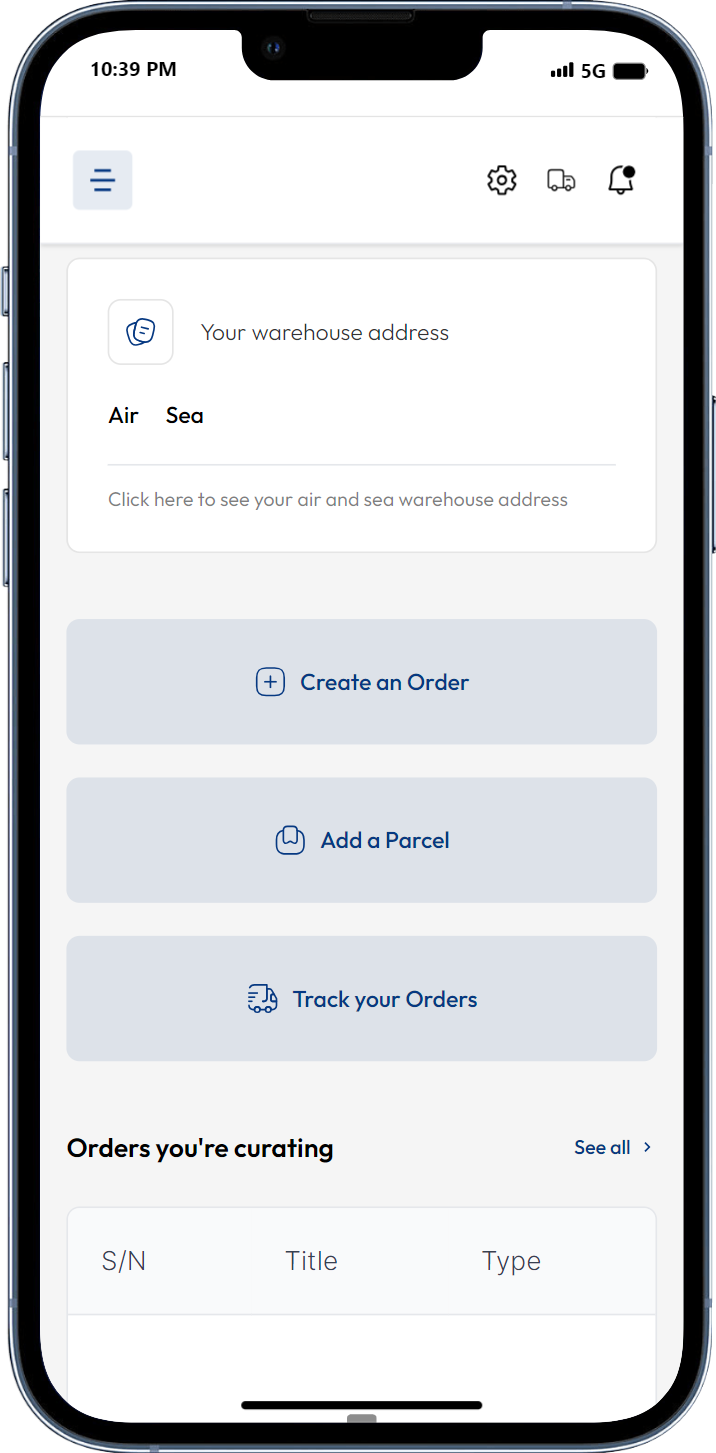
Proc360 is built specifically for Nigerian and Ghanaian importers sourcing from China — and every feature on the platform maps directly to the criteria above.
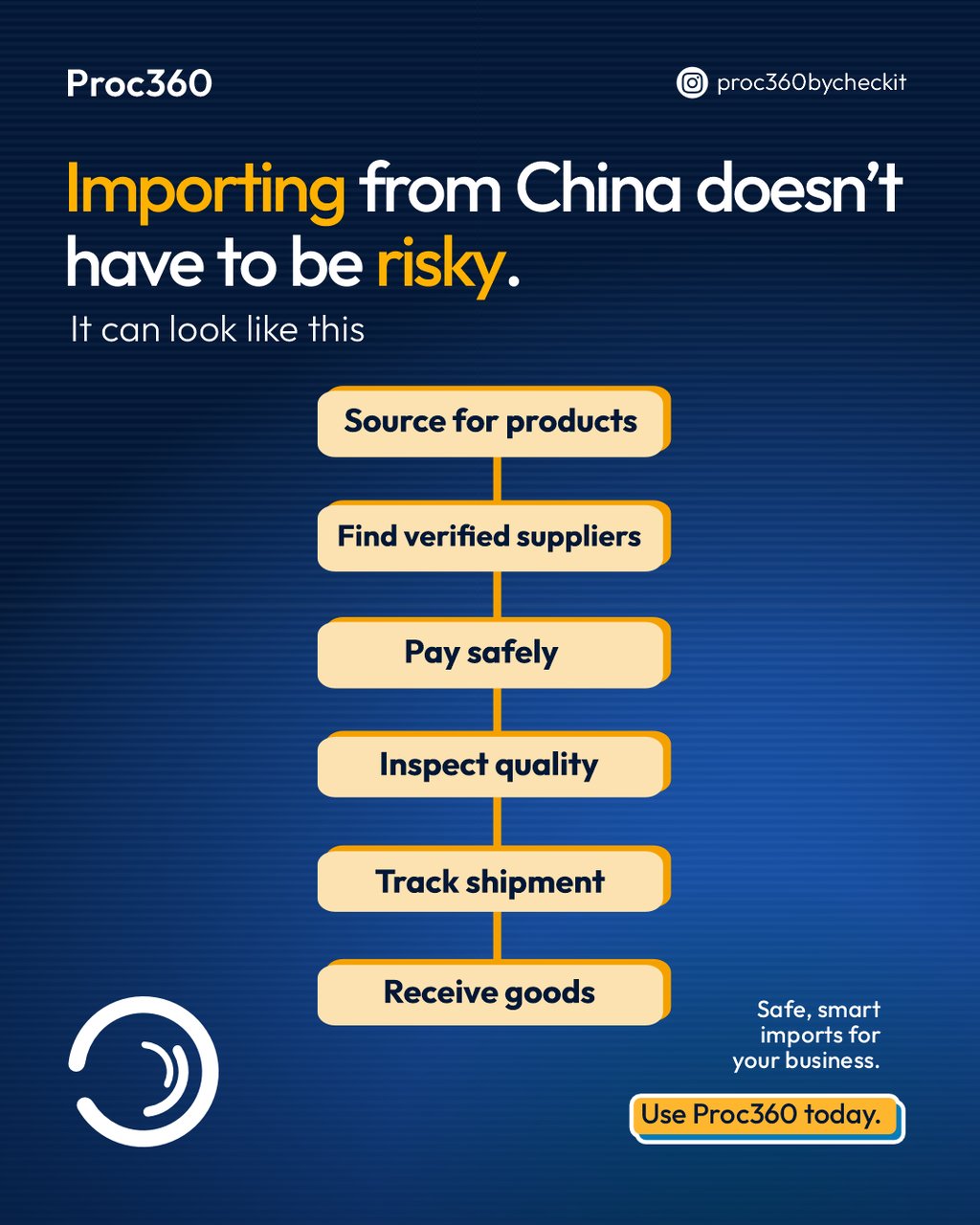
When you source through Proc360's Buy For Me feature, you find products on 1688 or Alibaba and the platform handles the Chinese-language negotiation and supplier payment directly. You pay your supplier in RMB through the Proc360 Wallet — at live market rates with no hidden conversion markup — so your naira goes further on every single order.
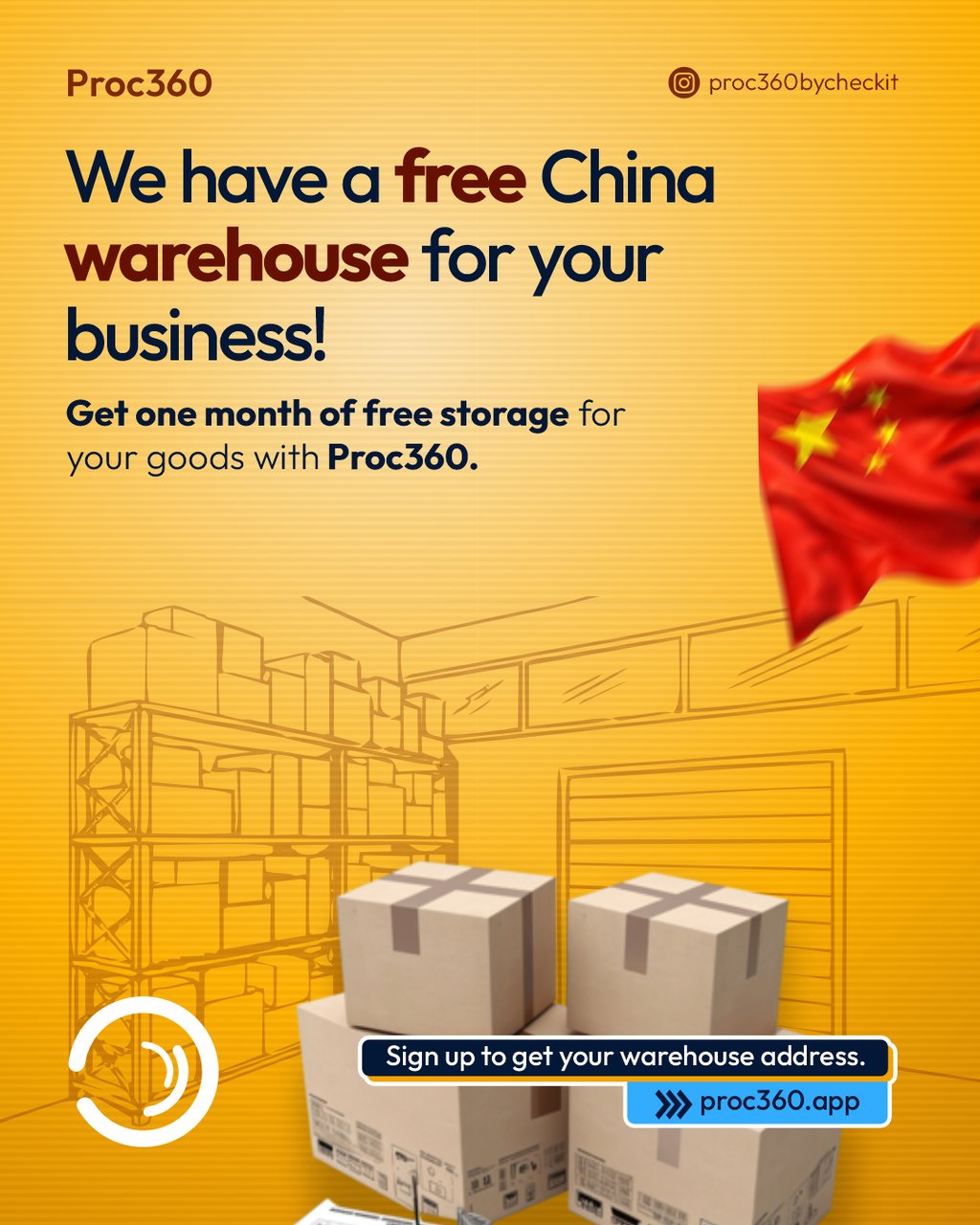
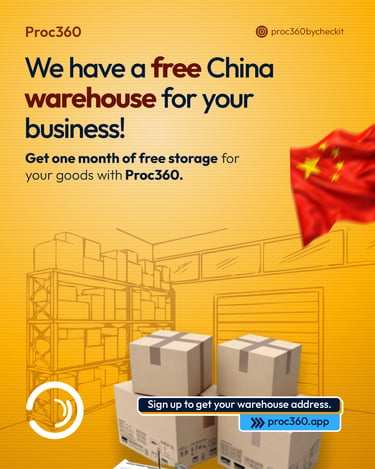
Your goods arrive at your personal Proc360 warehouse address in China, where you get 30 days of free storage. If you're sourcing from multiple suppliers, you consolidate everything into one shipment at no extra charge — meaning one set of freight costs instead of three or four. Before anything leaves China, you can request a quality check at ₦0.50 per parcel to verify product appearance, quantity, and condition.
When you're ready to ship, you choose air freight ($11.40/kg for normal goods, $13.00/kg for special goods) or sea freight ($390/CBM) directly from your dashboard. Customs clearance is included in the rate — no separate clearing agent to coordinate, no surprise port fees. And real-time tracking keeps you updated on your shipment from China to your door in Lagos, Abuja, Port Harcourt, or anywhere else in Nigeria.
There's no agent handling your goods on your behalf — you see every step, control every decision, and know exactly what you're paying before you confirm anything. Your first order ships free.
Ready to import from China the right way? Sign up with Proc360 today and experience transparent, self-serve importing from China to Nigeria — with no surprises and no middlemen.
4. Real-Time Tracking and Responsive Communication
You should be able to see where your goods are at every stage of the journey — from the supplier's warehouse in China to the port in Lagos to your doorstep. Any legitimate logistics provider in 2026 offers shipment tracking. What separates good providers from bad ones is how quickly they respond when something changes.
Port congestion, vessel schedule changes, customs examinations — these happen. The question is whether your logistics partner tells you immediately or goes silent while your goods sit and your demurrage bill climbs. Before committing, test their response time. Send an enquiry and note how long they take to reply, and whether the answer is specific and useful or vague and generic.
5. Consolidation Services for Small and Medium Importers
Most Nigerian importers don't fill a full 20-foot container on every order. If you're buying from multiple Chinese suppliers or placing smaller test orders, you need a partner who offers LCL (Less than Container Load) consolidation — combining your goods with others to share a container and reduce per-unit shipping cost.
Beyond LCL, some platforms offer a personal warehouse address in China where you receive goods from multiple suppliers, consolidate them into a single shipment, and only pay one set of freight and handling charges. This single feature can reduce your shipping cost by 30 to 40% compared to shipping each supplier's order separately.
6. Both Air and Sea Freight Options
Your shipping needs will vary. A bulk restock order belongs on sea freight. An urgent product launch or a small sample order needs air freight. A logistics partner that only offers one mode forces you to work around their limitations rather than your business requirements.
The best China-to-Nigeria shipping partners offer both, with clear pricing for each, and can advise you on which option makes sense based on your shipment weight, volume, urgency, and margin. If a company pushes air freight for everything regardless of your needs, that's a commercial decision in their interest, not yours.
7. Secure Warehousing in China Before Shipment
Where do your goods go after they leave your supplier's factory and before they're loaded onto a vessel? The answer matters. A logistics partner with their own warehouse or a verified partner warehouse in China gives you a staging point where goods from multiple suppliers can be received, inspected, consolidated, and packed before shipping.
This is also where pre-shipment quality checks happen. Having the ability to verify product appearance, quantity, and condition before goods leave China is one of the most valuable protections available to Nigerian importers — and it's only possible if your logistics partner has a physical presence in China.
Red Flags That Signal the Wrong Shipping Company
These warning signs apply to any shipping company or agent claiming to serve the China-to-Nigeria route. If you spot two or more of these, walk away.
No verifiable physical address in either China or Nigeria. A WhatsApp number and a logo are not a business.
Quote given only as a single total with no itemised breakdown. Hidden charges always live in the gap between the quoted total and the actual invoice.
No knowledge of SONCAP, Form M, or Nigerian customs requirements. These are not optional extras — they are the core compliance framework for importing into Nigeria.
Pressure to pay quickly into a personal bank account. Legitimate logistics businesses have company accounts, invoices, and receipts.
No shipment tracking system. In 2026, if a company can't tell you where your goods are at any given moment, they are not running a professional logistics operation.
Vague delivery timelines — "it depends" or "usually 2 to 8 weeks" without explanation. A real operator gives you specific transit estimates based on your shipment type, origin, and current shipping conditions.
Testimonials only on their own website or WhatsApp. Search for the company name independently. Check for complaints in Nigerian importer groups and forums.
No clear process for handling lost or damaged goods. If a logistics partner has no documented claims procedure, you have no recourse when something goes wrong.
Questions to Ask Any Shipping Company Before You Commit
These are the specific questions to put to any shipping company or freight forwarder before booking your first shipment. A legitimate, experienced operator will answer all of them directly and specifically.
Do you have a licensed clearing agent operating at Apapa or Tin Can Island Port in Lagos?
Can you handle SONCAP certification coordination and Form M documentation for my products?
What is your full landed cost breakdown for a shipment of [your approximate weight/volume] from [your supplier's city in China] to Lagos?
Do you offer real-time shipment tracking from China to delivery in Nigeria?
Do you offer LCL consolidation for shipments under one full container load?
What happens if my goods are held at the port for a documentation issue? Who is responsible and what is the resolution process?
What is your process for handling damaged or missing goods on arrival?
Can I see references or reviews from other Nigerian importers who have used your service in the past 6 months?
The Bottom Line
Choosing a shipping company from China to Nigeria is not just a logistics decision — it's a business decision. The wrong partner adds cost, delays, and stress to every single shipment. The right one makes your import cycle predictable, your costs visible, and your goods arrive on time.
Use the seven criteria above to evaluate every provider you consider. Ask the eight questions before you commit to anyone. And trust the red flags when you see them — a company that can't answer straightforward questions about Nigerian customs clearance is not a company that will protect your shipment when things get complicated at Apapa.
The best shipping company from China to Nigeria is not necessarily the cheapest one. It's the one that delivers your goods on time, handles your documentation correctly, charges you exactly what they quoted, and picks up the phone when you need answers.