Alibaba vs 1688 in 2026: Which Platform Should You Source From?
Compare Alibaba vs 1688 in 2026. Learn pricing, risks, payment options, and which platform is best for sourcing from China to Nigeria or Ghana.
GROWING BUSINESSGETTING STARTED
Jacob Ehigie
3/6/20266 min read
If you have ever searched for a product on Alibaba and then found the exact same item 30% cheaper on 1688, you already know the question every Nigerian and Ghanaian importer eventually asks: which platform should I actually be using?
The answer is not as straightforward as picking the cheaper one. Both platforms are owned by the same parent company, both connect you to Chinese suppliers, and both can work for your business — but they are built for very different types of buyers.
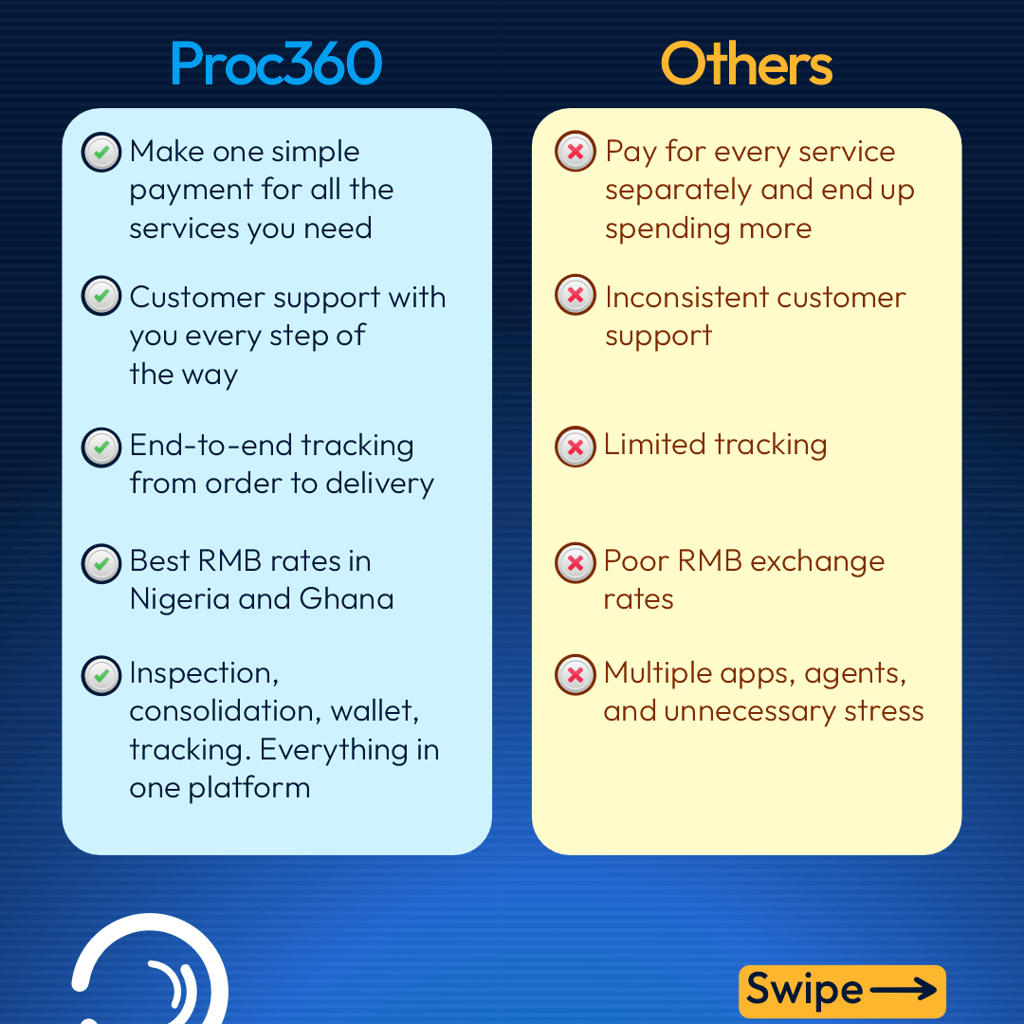
This guide breaks down the real differences so you can make the right call for where your business is right now. Whether you are just getting started or already scaling your imports, Proc360 gives you access to both platforms from a single app — in English, with RMB payments sorted.
What Is Alibaba — and Who Is It Really For?
Alibaba.com is the world's largest B2B marketplace for international trade. It was built from the ground up for buyers outside China — which means everything on it is designed to make your life easier: English listings, international payment options like credit cards and bank transfers, and a built-in buyer protection system called Trade Assurance that holds your payment in escrow until your goods are confirmed.
Suppliers on Alibaba are export-ready. They understand international shipping, produce customs documentation, and most of them speak at least basic English. That convenience comes with a cost though — Alibaba prices include the supplier's overhead for handling international orders, which means you are paying more per unit than you would on a purely domestic platform.
Alibaba is the best starting point for first-time importers, or for anyone sourcing a new product they have never imported before. The risk is lower, the process is more familiar, and Trade Assurance gives you somewhere to go if something goes wrong.
What Is 1688 — China's Wholesale Market That Most Importers Sleep On
1688.com is the domestic Chinese version of Alibaba. It is where Chinese retailers, Taobao sellers, and local business owners go to buy in bulk directly from manufacturers. The platform is entirely in Chinese, prices are listed in RMB (Chinese Yuan), and payments run through Alipay or WeChat Pay — tools that are not built for international buyers.
So why should a Nigerian or Ghanaian importer care about 1688? Because the prices are significantly lower. Since 1688 is a domestic marketplace, suppliers do not factor in export packaging, language support, or international compliance costs. The result is factory-direct pricing that can run 15 to 40% cheaper than the same product listed on Alibaba.
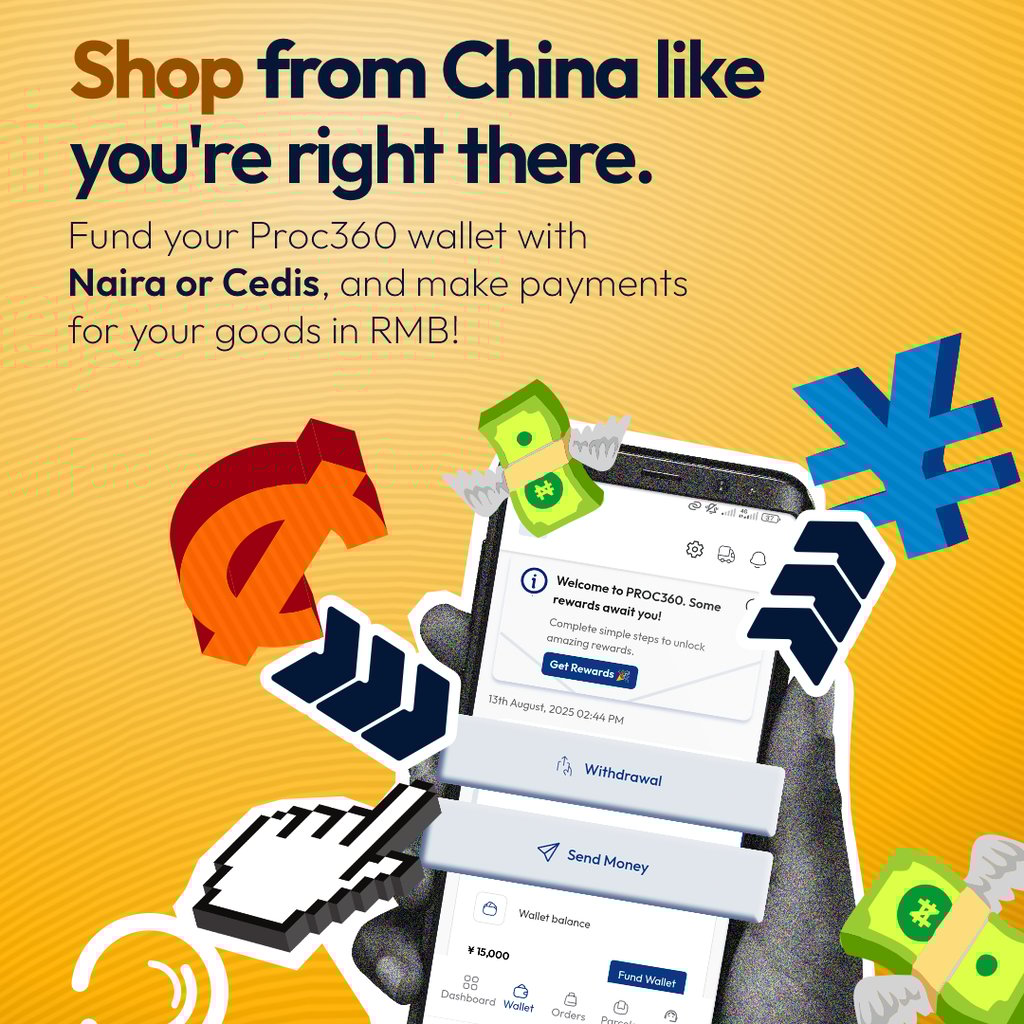
The trade-off is that 1688 requires more effort to navigate — and until recently, most African importers could not easily pay suppliers there without a Chinese bank account or a middleman. That gap is exactly what Proc360's RMB Wallet closes.
Which Platform Should You Start With?
The honest answer depends on where your import business is right now.
Start with Alibaba if you are new to importing from China, sourcing a product for the first time, or want built-in buyer protection while you learn how a supplier operates. The slightly higher unit prices are worth it for the peace of mind and the simpler process.
Move to 1688 when you already know your product well, have confirmed a supplier is reliable, and want to cut your unit costs by 15 to 40%. At that stage, the price difference adds up fast — especially on high-volume orders.
Many experienced importers run both in parallel: they use Alibaba to vet new suppliers and test new products, then switch to 1688 for repeat orders once they know exactly what they are getting. With Proc360, you can do both from the same account without needing a Chinese bank account or a separate sourcing agent.
Ready to source smarter from China? Sign up on Proc360 and start buying from Alibaba or 1688 today — with RMB payments sorted, quality checks available, and doorstep delivery to Nigeria or Ghana. Your first order is free.
Alibaba vs 1688 — Price, MOQ, Language, and Payment Side by Side
Here is a direct comparison of both platforms across the factors that matter most for importers in Nigeria and Ghana.
Language is the first big difference. Alibaba is available in English and over 18 languages, making it easy to navigate and communicate with suppliers. 1688 is entirely in Chinese — listings, supplier chat, and checkout are all in Mandarin, which is a real barrier for most African importers without translation tools.
On currency and payment, Alibaba accepts USD, EUR, and other international currencies, with support for cards, PayPal, and bank transfers. 1688 runs exclusively in RMB and payments go through Alipay or WeChat Pay — neither of which is easily accessible to buyers in Nigeria or Ghana without a local workaround like Proc360's RMB Wallet.
Pricing is where 1688 pulls ahead significantly. Because it is a domestic Chinese marketplace, suppliers are not pricing in export overhead. The same product can cost 15 to 40% less on 1688 than it does on Alibaba — and that gap gets very meaningful when you are placing bulk orders.
On buyer protection, Alibaba offers Trade Assurance — an escrow system that holds your payment until you confirm your goods are received correctly. 1688 has no equivalent system for international buyers, which means you are relying on the supplier's honesty and your ability to inspect goods before they ship.
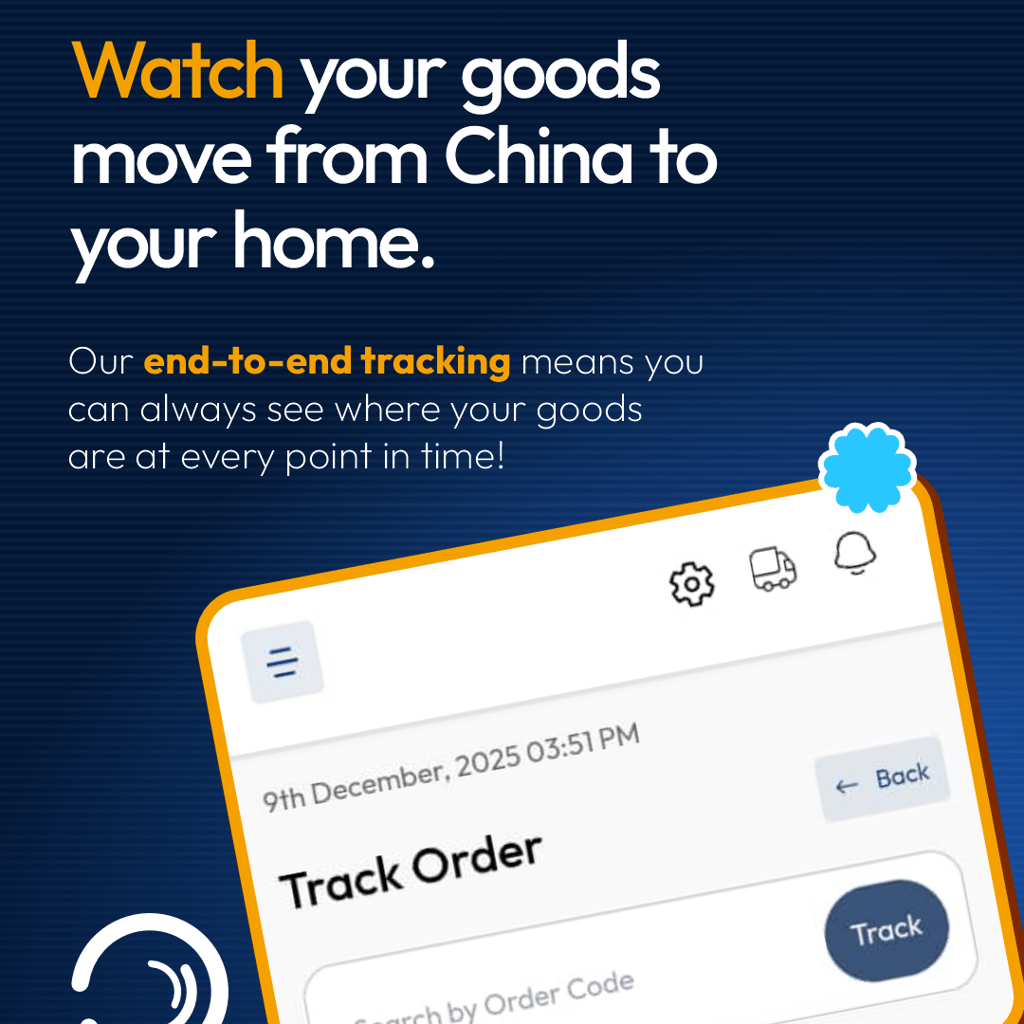
Finally, shipping. Alibaba suppliers are set up for international delivery and will arrange freight directly. 1688 suppliers ship domestically within China only — meaning you need a freight forwarder or a platform like Proc360 to consolidate and ship your goods internationally.
One thing both platforms share: prices are often negotiable, especially when you are buying in volume. On Alibaba, you can negotiate MOQs down directly with suppliers. On 1688, the listed unit price is usually the factory floor price, but suppliers respond well to repeat buyers who pay promptly in RMB.
What Are the Real Risks of Buying from 1688?
The risks of buying from 1688 are real, but they are manageable — as long as you know what they are going into.
No international buyer protection: Unlike Alibaba's Trade Assurance, 1688 has no escrow or dispute resolution system built for overseas buyers. If a supplier sends the wrong goods, your main recourse is your relationship with that supplier.
Product authenticity grey areas: Because 1688 caters to the domestic Chinese market, you may encounter unlicensed replicas or grey-market goods — especially for branded electronics, fashion items, and accessories. Always request samples before committing to a large order.
Language and communication barrier: All listings, supplier chat, and negotiations happen in Chinese. Google Translate helps, but you are still operating in a system not designed for you.
Payment complexity: Without a Chinese bank account or a platform like Proc360's RMB Wallet, paying 1688 suppliers used to mean relying on agents or unofficial money transfers — both of which carry their own risks.
The good news: quality inspection solves most of the product risk. When you store goods at Proc360's China warehouse before shipping, you can request a quality check — verifying quantity, appearance, and condition before anything leaves China. That is your safety net on 1688.
Does 1688 Deliver to Nigeria — and How Do You Actually Pay?
This is the question most blogs dodge, so let us answer it directly: 1688 itself does not deliver internationally. It is a domestic Chinese platform. But that does not mean you cannot buy from 1688 and get goods delivered to Lagos or Accra — it just means you need the right setup.
Here is how it works in practice:
You find products on 1688 and share the links through Proc360's Buy For Me feature. The platform's team sources directly from those suppliers on your behalf, in Chinese, paying them via RMB.
Alternatively, if you want to pay suppliers directly, you fund your Proc360 RMB Wallet in Naira or Cedis. It converts instantly to RMB at live market rates — no black market, no middlemen, no frozen accounts. You then send payment directly to the supplier's Alipay or Chinese bank account with no transfer limits.
Your goods arrive at Proc360's China warehouse, where you can request a quality check before anything ships. Then you choose air or sea freight, and your order is delivered to your door in Nigeria or Ghana.
So do you need an agent to buy from 1688? Not anymore. With the right tools, you can source directly, pay in RMB, and ship to your door — all from your phone. That is exactly what Proc360 is built for.